
Can Breastfeeding Reduce the Risk of ADHD?
Discover the connection between breastfeeding and child development, with a focus on ADHD. A comprehensive study reveals how breastfeeding can positively influence language and social development and even impact the likelihood of developing ADHD.
Breastfeeding: A Loving Act with Multiple Benefits
Breastfeeding is an act of love that nourishes and strengthens the bond between mother and baby. In addition to providing all the nutrients a baby needs to grow healthy, breast milk is rich in antibodies that protect against various diseases. But did you know that breastfeeding may also have a positive impact on brain development and even reduce the risk of a child developing ADHD (Attention-Deficit/Hyperactivity Disorder)?
Read more: ADHD and the Art of Thinking Fast and Slow

The Study: A Comprehensive Analysis of Over Half a Million Children
A recent scientific study published in JAMA Network Open investigated the relationship between breastfeeding duration and child development, including developmental delays and neurodevelopmental disorders like ADHD. The findings are compelling and further emphasize the importance of breastfeeding for children’s health.
To explore this connection, researchers analyzed data from over 570,000 children born in Israel between 2014 and 2020. They collected information on:
- Breastfeeding duration – Whether the child was breastfed and for how long (less than 6 months, 6 months or more, exclusively or not).
- Developmental milestones – Whether the child reached expected milestones for their age, such as saying their first words or walking.
- Diagnosis of ADHD and other disorders – Whether the child was diagnosed with ADHD, autism, intellectual disabilities, or other neurodevelopmental conditions.
Researchers used various statistical methods to analyze the data while controlling for other factors that could influence the results, such as maternal age, socioeconomic status, birth weight, and whether the child was born prematurely.
Read more: The Science of Control: Exploring Self-Regulation in the Brain
Results: Longer Breastfeeding May Offer Developmental Benefits

The study found that:
-
Fewer developmental delays – Children breastfed for 6 months or more, exclusively or not, were less likely to experience delays in language, socialization, and motor coordination compared to those breastfed for a shorter period or not at all.
-
Lower risk of ADHD and other disorders – Longer breastfeeding was also associated with a reduced risk of being diagnosed with ADHD, autism, and intellectual disabilities.
-
Sibling comparisons – When researchers compared siblings where one was breastfed longer than the other, similar results were found. This suggests that the link between breastfeeding and development is not just a coincidence but may have a biological basis.
These findings reinforce the importance of breastfeeding in early childhood development and suggest that it may have a protective effect against ADHD and other neurodevelopmental disorders.
Read more: Beyond the Label: Embracing the Diversity of ADHD
Why Might Breastfeeding Protect Against ADHD?

While the exact mechanisms are not yet fully understood, researchers have proposed several possible explanations:
-
Nutrients – Breast milk is rich in essential nutrients for brain development, such as omega-3 fatty acids, iron, zinc, and vitamins, which may contribute to a stronger and more resilient brain.
-
Gut microbiome – Breastfeeding influences the baby’s gut microbiome (the community of bacteria and microorganisms living in the intestines). Recent studies suggest that the microbiome plays a crucial role in brain health and the development of conditions like ADHD.
-
Mother-baby bonding – Breastfeeding strengthens the emotional connection between mother and baby, which may positively impact the child’s social and emotional development.
-
Stress reduction – Breastfeeding has a calming effect, reducing stress for both mother and baby, which may support brain development.
-
Skin-to-skin contact – The physical closeness during breastfeeding may stimulate brain development through sensory and emotional interactions.
Read more: Unstable Brain Activity May Explain Control Struggles in Children with ADHD
Additional Insights from the Study
-
Benefits for all babies – The advantages of breastfeeding were observed in both full-term (37+ weeks gestation) and preterm babies (less than 37 weeks).
-
Exclusive breastfeeding matters – Exclusive breastfeeding (without additional foods or liquids) for 6 months or more appeared to provide even greater benefits.
-
A plateau effect – While the benefits of breastfeeding increased with duration, they seemed to plateau around 10 to 12 months. This suggests that while longer breastfeeding may be beneficial, the most significant advantages occur in the early months of life.
Limitations and the Need for Further Research

As with any scientific study, there are limitations to consider. For example:
- The study couldn’t completely separate the effects of breast milk itself from those of the physical contact involved in breastfeeding.
- Not all factors influencing child development—such as genetics, family environment, and access to healthcare—were fully accounted for.
Therefore, further research is needed to confirm these findings and better understand the link between breastfeeding and ADHD. However, this study already highlights that breastfeeding is an important factor in promoting child health and development.
Read more: Can Breastfeeding Reduce the Risk of ADHD?
What Can You Do? Breastfeed if Possible and Stay Informed
If you’re expecting, a new parent, or caring for an infant, here are some key takeaways:
-
Educate yourself – Learn about the benefits of breastfeeding and techniques for successful nursing. Talk to your doctor, a lactation consultant, or experienced mothers.
-
Breastfeed if possible – The World Health Organization (WHO) recommends exclusive breastfeeding for the first 6 months and continued breastfeeding with complementary foods up to 2 years or beyond.
-
Don’t feel guilty – If you’re unable to breastfeed or choose not to, don’t blame yourself. There are many other ways to nourish and care for your baby. The most important thing is providing a loving, safe, and stimulating environment.
-
Monitor your child’s development – Keep an eye on developmental milestones, and seek professional advice if you notice any delays or concerns.
Conclusion: Breastfeeding—An Investment in Your Child’s Future
Breastfeeding is a profound act of love that offers numerous benefits for your child’s health and development, potentially even reducing the risk of ADHD.
By educating ourselves, seeking support, and providing the best possible care for our children, we are investing in their future and building a healthier, happier generation.
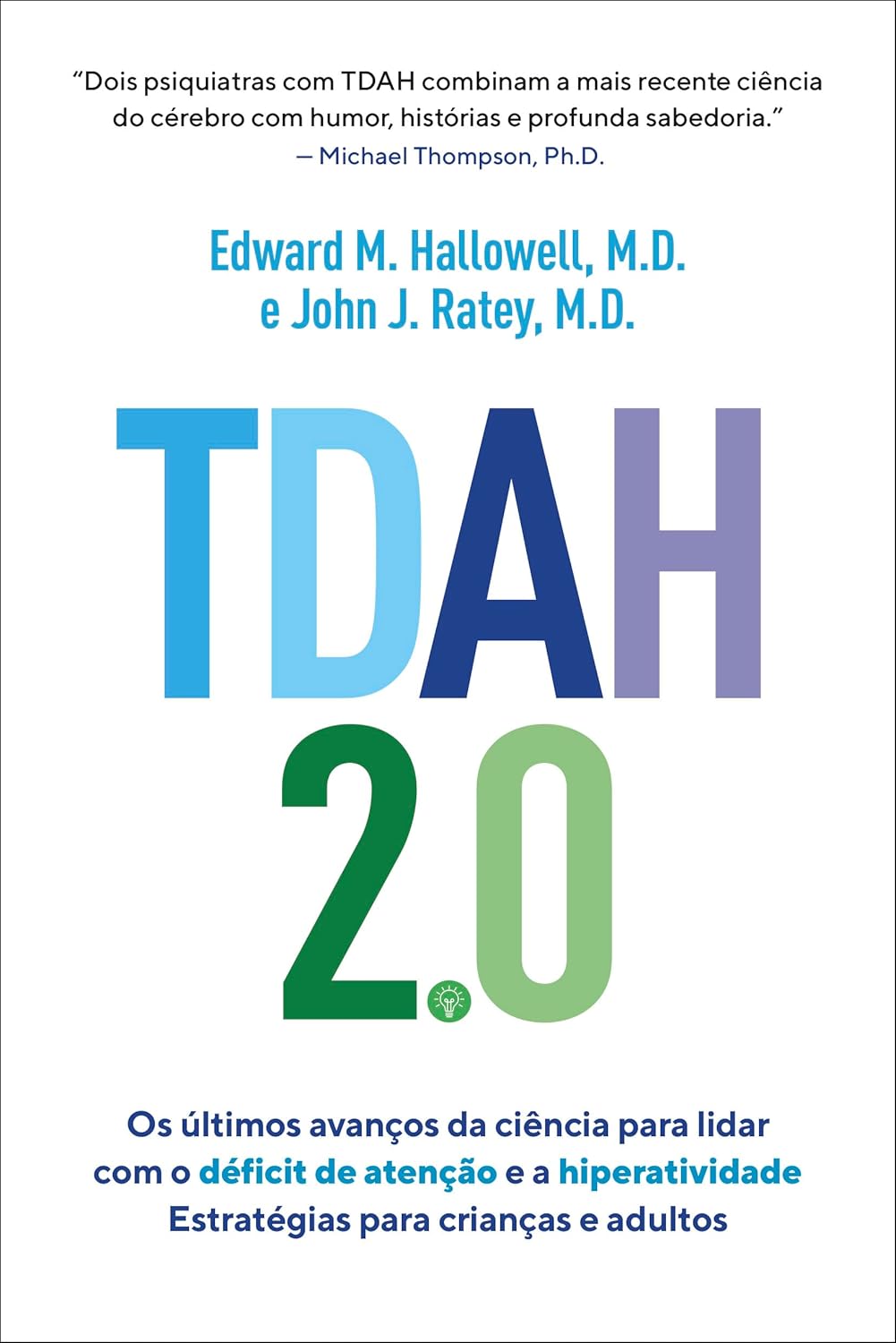
Want to know more about the world of ADHD, check out the book ADHD 2.0, get it at the link below.
Learn more
Cover
Get ready to:
- Embrace your unique tendencies: Learn how to take advantage of the benefits your brain offers, instead of fighting against it!
- Find your ideal challenge: Practical tests to discover activities that will help you shine!
- Master procrastination: Discover the power of physical exercise and meditation to boost your focus and relaxation.
- Strengthen your connections: Learn how emotional bonds can increase your self-esteem and help you overcome stigma.
TDAH 2.0 is an inspiring and practical guide to minimize negative traits and unlock your maximum potential at any stage of life.
Whether ADHD is an advantage or a curse, the choice is yours! ✨
Find out how to turn your ADHD into a superpower with ADHD 2.0!
FAQ: Breastfeeding and ADHD

It was from this passion that TDAH.World was born – a space created to inform, support, and connect people with ADHD. My goal is to translate complex information into accessible content, without losing scientific depth, so that more people can better understand and deal with the challenges – and also the potential – of ADHD.
I believe that well-applied knowledge can transform lives, and that’s what motivates me to keep studying, writing, and sharing insights on neuroscience, mental health, and cognitive performance. If you’ve made it this far, I hope you find something here that makes sense to you!