
Emotional Regulation in ADHD: Unlock the Power of EFT
Discover EFT (Tapping), a simple and effective technique to manage stress, anxiety, and emotional overload caused by ADHD. Learn the step-by-step process, example phrases, and how to integrate this tool into your daily life.
ADHD and the Emotional Rollercoaster: When Stress and Overload Take Over

If you live with ADHD (Attention Deficit Hyperactivity Disorder), you probably know that life can feel like an emotional rollercoaster. Distraction, impulsivity, difficulty staying organized, and the constant feeling of “being behind” can build up into stress, anxiety, frustration—and sometimes complete emotional overload.
For many, the ADHD brain feels like a whirlwind of thoughts, worries, and intense emotions, making it hard to focus, make decisions, or even complete simple tasks. It’s like your mind is always running on high voltage—wired, restless, and unable to fully shut off.
But what if there were a simple, accessible, and effective tool to calm that emotional storm? Something you could use anytime, anywhere, to ease stress, quiet anxiety, and lighten the emotional load?
That tool exists. It’s called EFT (Emotional Freedom Techniques), also known as Tapping—a powerful ally for those navigating life with ADHD.
Read also: Decisions in ADHD Treatment: How to Involve the Whole Family
What Is EFT (Tapping) and How Does It Work?

EFT is a therapeutic technique that involves tapping gently on specific points on the body (known as energy meridians, the same ones used in acupuncture) while focusing on a specific emotion, thought, or problem.
The idea is simple: by tapping these points while acknowledging what you’re feeling, you send calming signals to your nervous system. It helps regulate emotions, reduce stress and anxiety, and release internal blocks. Think of it as turning off the brain’s “alarm system,” which tends to be stuck on high alert in people with ADHD.
While tapping, you say out loud simple phrases—first to name the problem, then to express self-acceptance and positive reframing. This mix of physical stimulation and verbal expression helps release negative emotions and shift your mindset.
Read also: The Complete Guide to ADHD Treatment
Why EFT and ADHD Work So Well Together

EFT can be especially helpful for people with ADHD for several reasons:
- Simple and practical: No equipment, no appointments. You can do it anytime, anywhere.
- Fast relief: It can calm anxiety and stress within minutes.
- Empowering: It’s a self-care tool. You don’t need to rely on others to feel better.
- Brings you back to the present: Great for when your mind is racing or scattered.
- Emotional regulation: Helps you handle frustration, anger, anxiety, and other intense feelings.
- Releases limiting beliefs: Many people with ADHD carry self-doubt and guilt—EFT helps shift these patterns.
- Complements other therapies: You can use EFT alongside medication, CBT, coaching, and more.
Read also: ADHD and Time Perception: How Brain Stimulation Can Help
EFT for ADHD – A Step-by-Step Guide

Here’s a simplified way to start using EFT:
-
Identify the issue: Focus on one emotion or challenge.
Example: “I feel overwhelmed by schoolwork.” -
Rate the intensity (0–10): How strong is the feeling right now?
-
Create a setup phrase:
“Even though I feel ___, I deeply and completely accept myself.”
Example: “Even though I feel overwhelmed by schoolwork, I accept myself completely.” -
Tap the following points while repeating your phrase (or related thoughts):
-
Karate chop point: Side of your hand (repeat setup phrase 3x)
-
Eyebrow point
-
Side of the eye
-
Under the eye
-
Under the nose
-
Chin point
-
Collarbone point
-
Underarm
-
Top of the head
-
-
Repeat the sequence a few times, adjusting phrases as you go.
-
Re-rate the intensity (0–10): Notice how you feel. Keep tapping if needed.
Read also: Unstable Brain Activity May Explain Control Struggles in Children with ADHD
Example EFT Phrases for ADHD

Setup phrases (Karate point):
- “Even though I feel restless and scattered, I accept myself as I am.”
- “Even though I’m procrastinating and feeling guilty, I choose compassion.”
- “Even though I’m afraid of messing up, I still respect myself.”
Tapping phrases:
- “All this restlessness…”
- “I can’t seem to focus.”
- “This urge to do everything at once…”
- “I’m always running late.”
- “This frustration from unfinished tasks…”
- “This guilt for procrastinating…”
- “This fear of failure…”
- “I feel like I’m not good enough…”
- “I release this chaos.”
- “I choose to calm my mind.”
- “I can do this.”
- “I’m allowed to feel at peace.”
Tip: Adjust the words to match your real experience. Speak your truth.
Read also: Who Are People with ADHD? Debunking Stereotypes and Celebrating Diversity
Extra Tips for Using EFT with ADHD

- Be specific: The more focused the phrase, the better the results.
- Get creative: Use metaphors, your own words, or even humor.
- Practice regularly: Consistency builds emotional resilience.
- Combine with other tools: EFT works well with therapy, mindfulness, or coaching.
What Does the Science Say?
EFT is still a growing field, but several studies already show its potential to reduce stress, anxiety, depression, chronic pain, and even improve performance in athletes. As for ADHD, more research is needed—but early signs are hopeful.
Final Thoughts: A Small Practice, a Big Impact
EFT (Tapping) is a simple and empowering practice with the potential to help people with ADHD calm their minds, regulate emotions, and feel more in control. While it’s not a magic cure, it’s a tool you can carry with you—easy, flexible, and always available.
Give it a try. Adjust it to your rhythm. Discover how EFT can help you move from chaos to calm, from overload to clarity, one tap at a time.
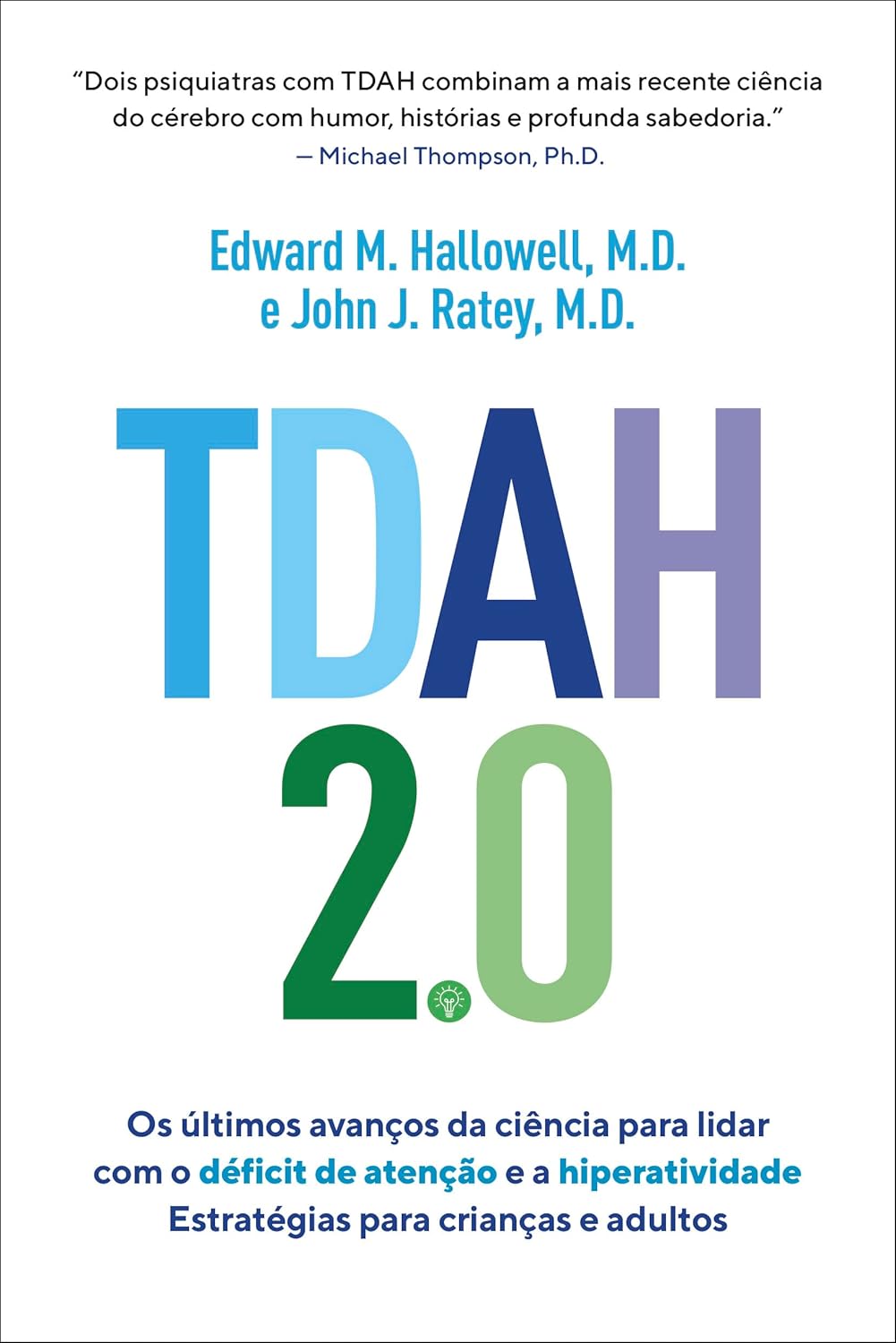
Quer conhecer mais sobre o mundo do TDAH, conheça o livro TDAH 2.0 adquira no link abaixo.
Saiba mais
Capa
Prepare-se para:
- Aceitar suas tendências únicas: Descubra como aproveitar os benefícios que o seu cérebro oferece, em vez de lutar contra ele!
- Encontrar o seu desafio ideal: Testes práticos para descobrir as atividades que te farão brilhar!
- Dominar a procrastinação: Descubra o poder do exercício físico e da meditação para turbinar seu foco e relaxamento.
- Fortalecer suas conexões: Aprenda como os laços afetivos podem aumentar sua autoestima e te ajudar a superar o estigma.
TDAH 2.0 é um guia inspirador e prático para minimizar os traços negativos e desbloquear o seu potencial máximo, em qualquer fase da vida.
Se o TDAH será uma vantagem ou uma maldição, a escolha é sua! 
Descubra como transformar o seu TDAH em superpoder com TDAH 2.0!
FAQ – EFT (Tapping) para TDAH: Perguntas e Respostas

It was from this passion that TDAH.World was born – a space created to inform, support, and connect people with ADHD. My goal is to translate complex information into accessible content, without losing scientific depth, so that more people can better understand and deal with the challenges – and also the potential – of ADHD.
I believe that well-applied knowledge can transform lives, and that’s what motivates me to keep studying, writing, and sharing insights on neuroscience, mental health, and cognitive performance. If you’ve made it this far, I hope you find something here that makes sense to you!