Childhood Trauma, ADHD, and Aggression in Adults: A Complex Connection and Strategies to Cope
Discover how negative experiences in childhood can increase the risk of aggressiveness in adults with ADHD. A study reveals the role of the disorder and emotional regulation, and shows ways to cope with the issue.
Difficult Childhood, ADHD, and Aggressiveness: A Dangerous Combination?
Challenging childhood experiences, such as abuse, neglect, or violence, can leave deep scars and increase the risk of mental health issues in adulthood. For individuals with ADHD (Attention-Deficit/Hyperactivity Disorder), this combination can be even more complex, heightening the likelihood of aggressive behaviors.

A scientific study published in Scientific Reports explored the intricate relationship between childhood trauma, ADHD, and aggression in adults. The researchers sought to answer:
- How does ADHD (and its different symptoms) relate to aggression in adults with childhood trauma?
- Does emotional regulation influence this connection?
The findings shed light on the challenges faced by individuals with ADHD and a history of trauma, helping to refine treatment approaches and support strategies.
Read also: How the Neural Instability of ADHD Affects Cognitive Control
The Study: Unraveling the Links Between Trauma, ADHD, and Aggression

To investigate these connections, researchers analyzed data from a group of adults, both with and without ADHD, who completed questionnaires on:
- Adverse Childhood Experiences (ACEs): Questions about physical, emotional, or sexual abuse, neglect, domestic violence, family dysfunction, etc.
- ADHD Symptoms: Assessment of inattention, hyperactivity, and impulsivity.
- Aggression: Evaluation of recent aggressive behaviors.
- Emotional Regulation: Measurement of strategies used to manage emotions, such as:
- Cognitive reappraisal (reframing how one thinks about a situation).
- Suppression (hiding or repressing emotions).
Advanced statistical models were used to analyze the data and uncover how these factors interact.
Read also: Decisions in ADHD Treatment: How to Involve the Whole Family
The Findings: A Puzzle with Many Pieces

The study revealed several key insights:
- Childhood adversity increases aggression: Adults who experienced trauma in childhood tend to be more aggressive.
- ADHD plays a significant role: ADHD, especially hyperactivity/impulsivity, heightened the risk of aggression in adults, even when childhood trauma was considered.
- Emotional regulation is crucial: How individuals manage their emotions impacts the ADHD-aggression link.
- Cognitive reappraisal was associated with lower aggression.
- Suppression did not lead to a reduction in aggression.
- Gender differences emerged: Women reported more childhood trauma than men, yet men had greater difficulty managing emotions.
Read also: Autism and ADHD – The Role of Executive Functions in Childhood
What Do These Findings Mean? Understanding the Complex Interaction

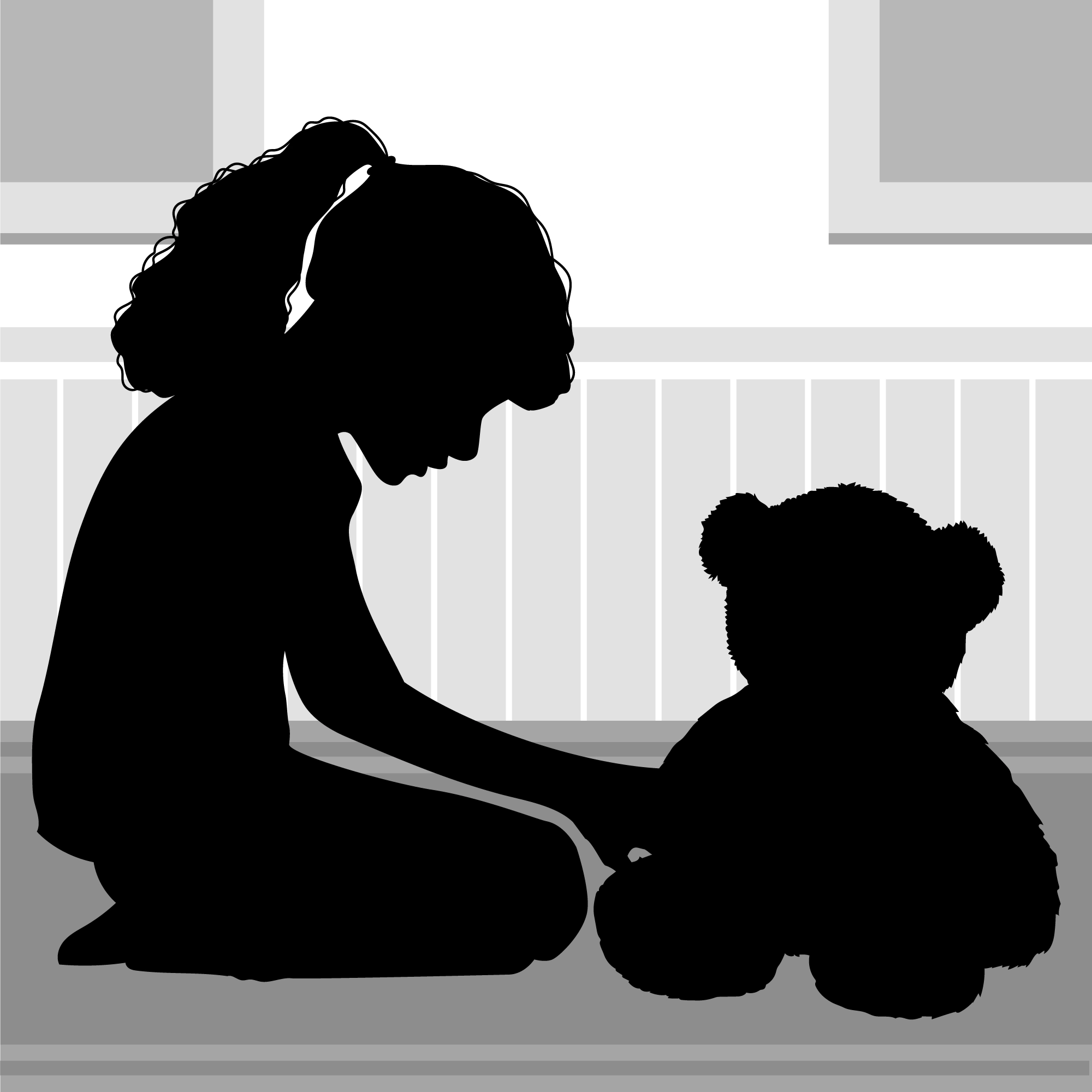
Imagem de Michael Schüller por Pixabay
This study helps clarify the intricate relationship between childhood trauma, ADHD, and aggression:
- ADHD is not the sole cause of aggression. While it increases the risk, other factors—such as trauma and difficulties in emotional regulation—also play a role.
- Hyperactivity/impulsivity is a key factor. These symptoms contribute more significantly to aggression than inattention.
- Emotional regulation is a powerful tool. Learning healthy ways to manage emotions, especially through cognitive reappraisal, can help reduce aggression.
- Gender differences matter. Women reported more childhood trauma, emphasizing the need for gender-sensitive approaches in ADHD and aggression treatment.
- Childhood experiences have lasting effects. The study reinforces the importance of early interventions to prevent long-term consequences.
Beyond the Study: What Else Do We Know About ADHD, Trauma, and Aggression?
Additional research highlights:
- ADHD may increase vulnerability to trauma. Impulsivity and difficulties in assessing risk can make individuals with ADHD more susceptible to traumatic experiences.
- Trauma can worsen ADHD symptoms. Childhood adversity can exacerbate difficulties with focus, impulse control, and emotional regulation.
- Aggression is not a core symptom of ADHD. While impulsivity can lead to aggressive behaviors, aggression itself is often linked to coexisting conditions or emotional regulation challenges.
- Treating ADHD can reduce aggression. Proper treatment—including medication and therapy—can help manage impulsivity and decrease aggression.
What Can Be Done? Strategies for Managing Aggression in ADHD
If you or someone you know with ADHD struggles with aggressive behaviors, consider these strategies:
✅ Seek professional help: A psychologist, therapist, or psychiatrist specializing in ADHD can help identify the underlying causes of aggression and develop coping strategies.
✅ Cognitive-behavioral therapy (CBT): CBT can help modify thought and behavior patterns contributing to aggression.
✅ Emotional regulation training: Learning to recognize, express, and manage emotions in a healthy way can reduce impulsivity and aggression.
✅ Relaxation techniques: Meditation, mindfulness, deep breathing, and other relaxation methods can lower stress and anxiety, reducing aggression triggers.
✅ Medication: In some cases, medication can help manage ADHD symptoms and decrease impulsivity and aggression.
✅ Open communication: Talk to those close to you about your challenges and seek their support.
✅ Set boundaries: Learn to say “no” and establish healthy personal limits.
✅ Avoid triggers: Identify situations, people, or thoughts that provoke aggression and develop strategies to handle them.
✅ Engage in calming activities: Find hobbies that bring you joy and relaxation, such as exercise, music, reading, socializing, or spending time in nature.
Read also: ADHD in Adults in Mexico – Symptoms, Comorbidities, and Daily Challenges
Conclusion: Building a Path of Understanding and Support
The relationship between childhood trauma, ADHD, and aggression is complex and multifaceted. This study highlights how ADHD—especially hyperactivity/impulsivity—can increase the risk of aggression in adults with a history of trauma, while emotional regulation plays a vital role in mitigating these effects.
It is essential for parents, educators, healthcare professionals, and society as a whole to recognize these challenges and offer the right support and treatment for individuals with ADHD.
With knowledge, understanding, and the right strategies, we can create a path toward resilience, well-being, and a better quality of life for those navigating ADHD and the challenges of a difficult past.
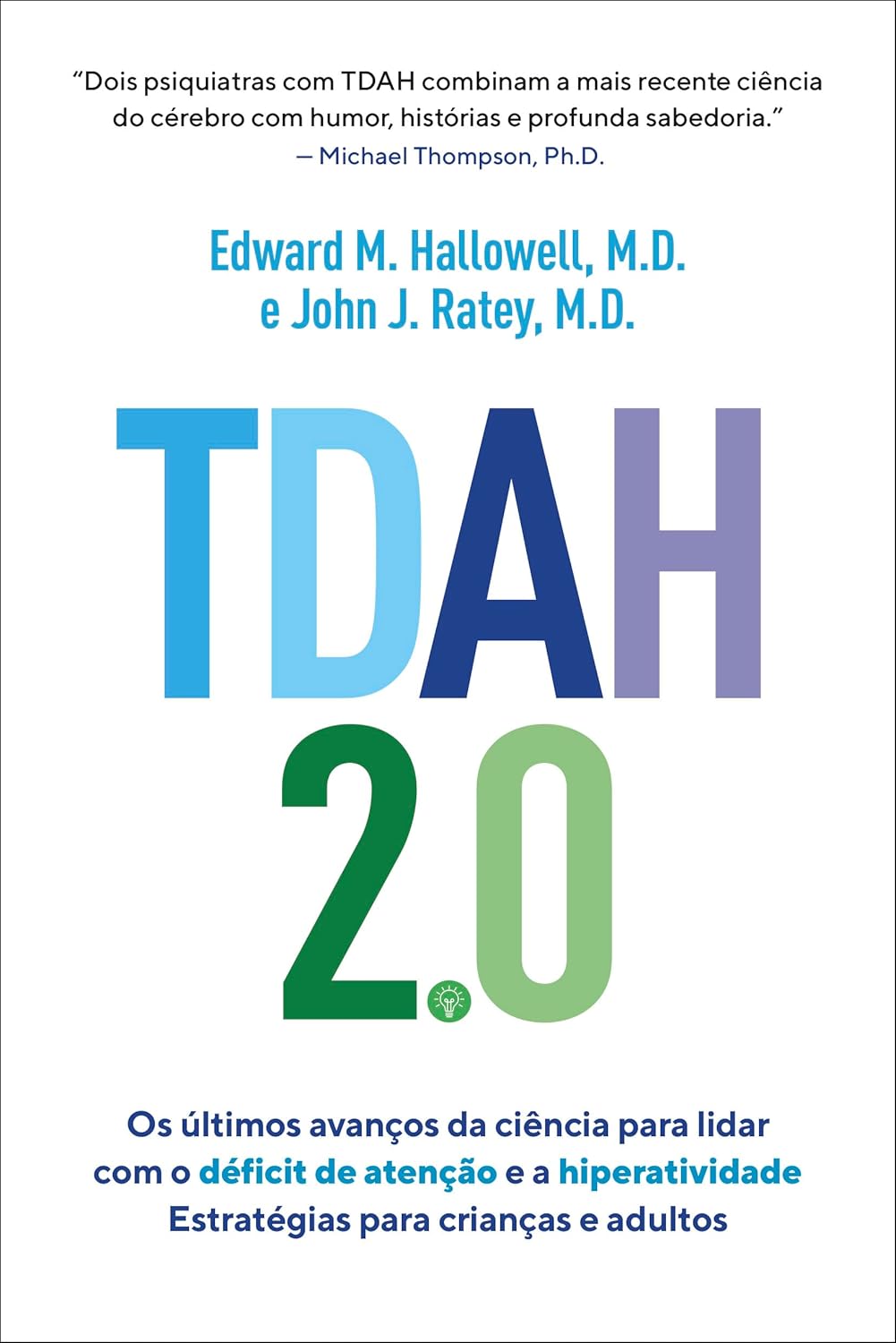
Quer conhecer mais sobre o mundo do TDAH, conheça o livro TDAH 2.0 adquira no link abaixo.
Learn more
Cover
Get ready to:
Embrace your unique tendencies: Discover how to harness the benefits your brain offers, instead of fighting against it!
Find your ideal challenge: Practical tests to uncover the activities that will make you shine!
Master procrastination: Discover the power of physical exercise and meditation to boost your focus and relaxation.
Strengthen your connections: Learn how emotional bonds can enhance your self-esteem and help you overcome stigma.
ADHD 2.0 is an inspiring and practical guide to minimize negative traits and unlock your maximum potential, at any stage of life.
Whether ADHD becomes an advantage or a curse, the choice is yours!
Discover how to turn your ADHD into a superpower with ADHD 2.0!
References
Learn more
FAQ – TDAH, Trauma e Agressividade: O Que Você Precisa Saber

It was from this passion that TDAH.World was born – a space created to inform, support, and connect people with ADHD. My goal is to translate complex information into accessible content, without losing scientific depth, so that more people can better understand and deal with the challenges – and also the potential – of ADHD.
I believe that well-applied knowledge can transform lives, and that’s what motivates me to keep studying, writing, and sharing insights on neuroscience, mental health, and cognitive performance. If you’ve made it this far, I hope you find something here that makes sense to you!