
Diabetes in Pregnancy and ADHD: What is the Relationship?
Discover the Link Between Diabetes During Pregnancy (Gestational and Preexisting) and the Risk of ADHD in Children. A Large Study Provides Important Information for Expectant Mothers and Healthcare Professionals.
Diabetes During Pregnancy: A Growing Concern

Pregnancy is a magical time, but it also requires a lot of care. A mother’s health during pregnancy can significantly impact the baby’s development, and diabetes is one of the conditions that deserves special attention.
There are different types of diabetes that can affect pregnancy:
- Gestational Diabetes (GDM): This is diabetes that develops during pregnancy, usually around the second or third trimester.
- Preexisting Diabetes (PGDM): This refers to diabetes that a woman already had before getting pregnant. It can be type 1 (when the body does not produce insulin) or type 2 (when the body does not use insulin effectively).
A recent study, published in Nature Medicine, explored the link between maternal diabetes (both gestational and preexisting) and the risk of the child developing ADHD (Attention Deficit Hyperactivity Disorder). The findings are crucial for understanding the risk factors of ADHD and for considering prevention strategies.
Read also: How the Neural Instability of ADHD Affects Cognitive Control
The Study: A Massive Analysis Using Data from Several Countries

To investigate this relationship, researchers conducted a study with a huge sample: over 3.6 million mother-child pairs from seven different locations: Hong Kong, New Zealand, Taiwan, Finland, Iceland, Norway, and Sweden. They analyzed health records, medical files, and insurance databases to identify:
- Which mothers had diabetes during pregnancy (and what type).
- Which children were diagnosed with ADHD.
Using this data, they calculated whether maternal diabetes during pregnancy increased the risk of children developing ADHD.
Read also: Decisions in ADHD Treatment: How to Involve the Whole Family
Results: A Link Exists, But…
The study results showed:
- Maternal diabetes increases ADHD risk: Children born to mothers who had any type of diabetes during pregnancy (gestational or preexisting) had a slightly higher risk of developing ADHD.
- Gestational and preexisting diabetes: Children of mothers who had gestational or preexisting diabetes (type 1 and type 2) were at a higher risk for ADHD.
- Comparing siblings: When researchers compared siblings where one mother had gestational diabetes in one pregnancy but not in another, the risk of ADHD was similar between the siblings.
The last finding suggests something very important: The increased risk of ADHD may not be a cause-and-effect relationship but could be linked to the family’s genetics.
What Does This Mean? Interpreting the Results with Caution

These results prompt us to reflect on the connection between diabetes during pregnancy and ADHD:
- The link isn’t as strong as previously thought: Although the study found an increased risk of ADHD in children born to mothers with diabetes, the risk was small to moderate. This means not every child born to a mother with diabetes will develop ADHD.
- Other factors may be more important: The comparison between siblings suggests that factors like genetics and the family environment may be more significant than gestational diabetes itself in explaining the risk of ADHD.
- The importance of managing diabetes: While the link between gestational diabetes and ADHD may not be causal, this doesn’t mean managing diabetes during pregnancy isn’t important. On the contrary! Keeping blood sugar levels under control is crucial for the health of both mother and baby and can prevent other complications.
Read also: The Complete Guide to ADHD Treatment
What to Do? Information, Prevention, and Care
Given these findings, what can we do?
-
If you’re pregnant or planning to become pregnant:
- Attend regular prenatal visits and follow your doctor’s advice.
- If you have diabetes, strictly manage your blood sugar levels.
- Maintain a healthy diet and exercise regularly.
-
If you’re a parent of a child with ADHD:
- Seek reliable information about the disorder.
- Get professional support (doctor, psychologist, etc.).
- Provide a supportive and stimulating family environment.
-
If you’re a healthcare professional:
- Be aware of the potential link between maternal diabetes and ADHD.
- Educate pregnant women on the importance of diabetes management.
- Closely monitor the development of children born to mothers with diabetes.
Read also: ADHD and Time Perception: How Brain Stimulation Can Help
Conclusion: A New Piece in the ADHD Puzzle
The study on the relationship between maternal diabetes and ADHD shows us that a mother’s health during pregnancy can impact the child’s development, but this relationship is complex and involves multiple factors.
It’s essential that we continue investing in scientific research to better understand ADHD and develop more effective prevention and treatment strategies. At the same time, parents, educators, and healthcare professionals must stay alert to the signs of ADHD and offer the necessary support to help children with the disorder live fulfilling and happy lives.
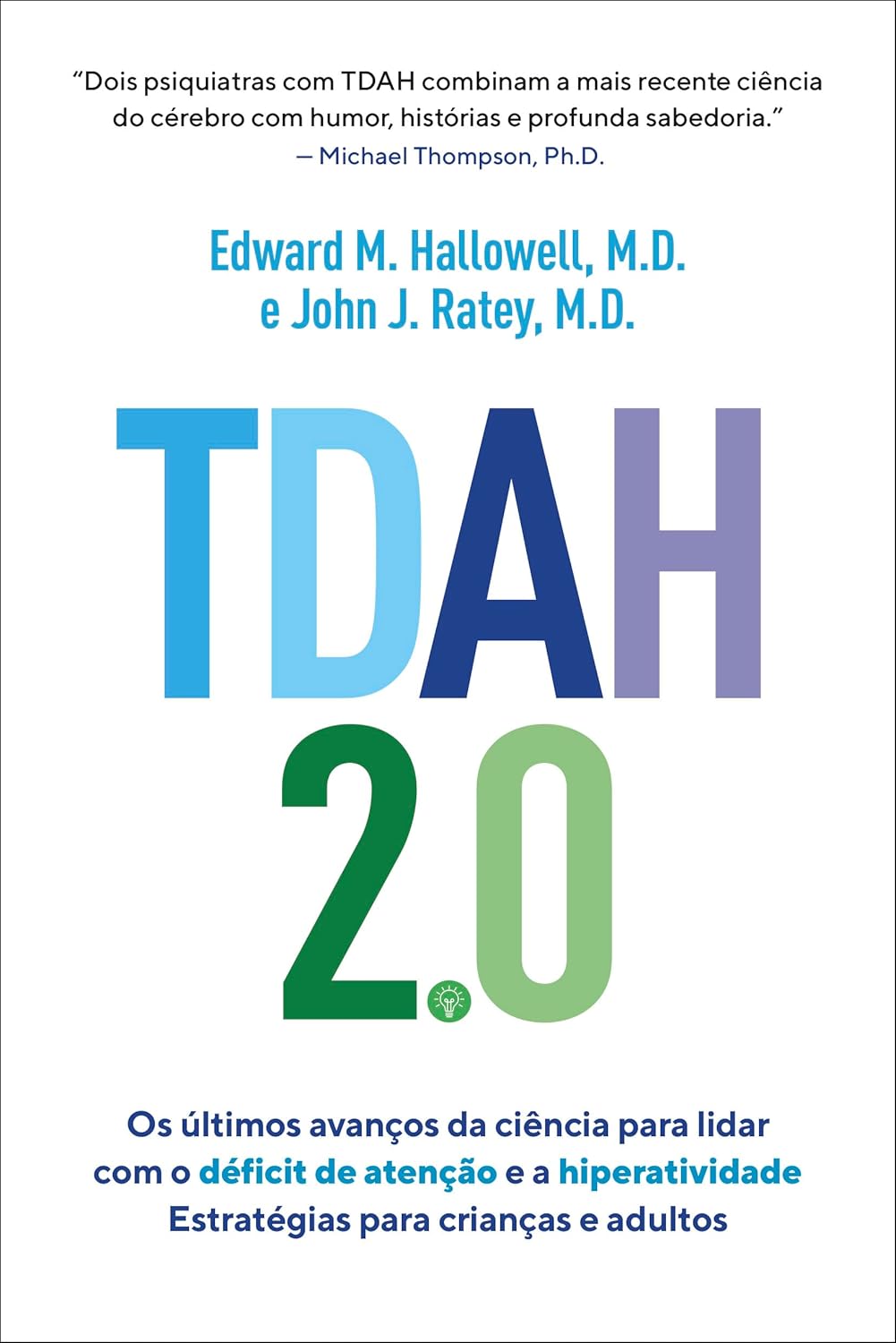
Want to know more about the world of ADHD, check out the book ADHD 2.0, get it at the link below.
Learn more
Cover
Get ready to:
- Embrace your unique tendencies: Learn how to take advantage of the benefits your brain offers, instead of fighting against it!
- Find your ideal challenge: Practical tests to discover activities that will help you shine!
- Master procrastination: Discover the power of physical exercise and meditation to boost your focus and relaxation.
- Strengthen your connections: Learn how emotional bonds can increase your self-esteem and help you overcome stigma.
TDAH 2.0 is an inspiring and practical guide to minimize negative traits and unlock your maximum potential at any stage of life.
Whether ADHD is an advantage or a curse, the choice is yours! ✨
Descubra como transformar o seu TDAH em superpoder com TDAH 2.0!
References
Learn more
Author: Vahid Nejati
Source: Scientific Reports
Original Research: Open Access
“Transcranial direct current stimulation improves time perception in children with ADHD” Vahid Nejati et al. Scientific Reports
FAQ – Brain Stimulation and ADHD

It was from this passion that TDAH.World was born – a space created to inform, support, and connect people with ADHD. My goal is to translate complex information into accessible content, without losing scientific depth, so that more people can better understand and deal with the challenges – and also the potential – of ADHD.
I believe that well-applied knowledge can transform lives, and that’s what motivates me to keep studying, writing, and sharing insights on neuroscience, mental health, and cognitive performance. If you’ve made it this far, I hope you find something here that makes sense to you!