
Decisions in ADHD Treatment: How to Involve the Whole Family
ADHD (Attention Deficit Hyperactivity Disorder) treatment requires a personalized and collaborative approach, where the active involvement of the entire family is essential. Rather than unilateral decisions, the process should be a joint effort, respecting each patient’s individual needs and considering the opinions of parents, caregivers, and healthcare professionals. This article explores the importance of involving all family members in the treatment journey, highlighting how their participation can enhance outcomes and provide more effective and compassionate care for both children and adults with ADHD.
Navigating the Maze of ADHD Treatment: The Importance of Active Participation
Imagine you’re standing at the entrance of a complex maze, where each corridor represents a different treatment path for ADHD (Attention Deficit Hyperactivity Disorder). There’s no single map, no universal answer, and the way forward requires careful choices and the involvement of everyone around. ADHD is not a condition with a simple solution, but rather a series of challenges and nuances that manifest differently in each individual. This is why your voice, the voices of your family and friends, are essential in crafting an effective and personalized treatment plan. In Brazil, active participation is not just a recommendation, but a legally protected right under the Unified Health System (SUS).
The Healthcare Professionals’ Perspective: Unveiling the Reality Behind Treatment Decisions
To better understand the complexity of this journey, imagine we’re sitting in a discussion circle with healthcare professionals dedicated to treating children and adolescents with ADHD. They share with us some of the challenges they face every day:
The Complex Journey of Decision-Making in ADHD Treatment: A Path to Be Built Together
-
The Overwhelming Demand: It’s like trying to empty an ocean with a cup, with many patients seeking help and limited time for each one. This excessive demand strains mental health services, making it difficult to offer personalized care for each case.
-
The Diagnostic Complexity: It’s like assembling a thousand-piece puzzle without the image on the box to guide you. ADHD can present itself in various ways, with symptoms overlapping other disorders, making the diagnostic process a significant challenge.
-
The Absence of the Patient’s Voice: In many cases, healthcare professionals devise a treatment plan and only then involve the patients and their families, which can lead to resistance, discouragement, and a sense that decisions have been imposed.
-
Divergent Opinions: It’s like an orchestra where each musician plays a different instrument, with varying opinions and perspectives on the best treatment method. This requires dialogue and consensus-building to find a unified path forward.
How Are Decisions Made? A Step-by-Step Path to the Right Treatment
Healthcare professionals use a set of tools and strategies to determine the best course of action through the maze of ADHD treatment:
-
Careful, Individualized Observation: It’s like a detective scrutinizing every detail of a crime scene. Professionals assess behavior, ADHD symptoms, and how they affect daily life, identifying each patient’s unique needs.
-
The Richness of Clinical Experience: It’s like a seasoned guide who has navigated many trails, knowing shortcuts and potential pitfalls. Professionals use their expertise to choose the most suitable therapeutic approaches for each case.
-
Open and Humanized Dialogue: It’s like a debate where every voice is heard and respected. Professionals converse with patients, parents, and caregivers to gather opinions, difficulties, and expectations, building a shared treatment plan.
Obstacles on the Journey: Challenges That Can Veer the Path Off-Course
Like any journey, there are obstacles that can complicate the decision-making process in ADHD treatment:
-
Diagnostic Confusion: Sometimes ADHD symptoms can overlap with other conditions, like anxiety, depression, or autism spectrum disorder, making diagnosis challenging, like trying to navigate a blurred map.
-
Pressure for Quick Answers: Families and schools often pressure professionals for immediate diagnosis and treatment, without considering the complexity of the issue, as though time is an enemy to be beaten at any cost.
-
Resistance to Change: Some healthcare professionals may feel uneasy or uncomfortable when considering new therapeutic approaches, as if they’re trapped in a familiar yet inadequate path, even if it’s not the best for the patient.
-
Communication Challenges: Often, healthcare professionals use technical jargon that patients and their families struggle to understand, as if speaking a different language, complicating the exchange of information and the construction of a shared treatment plan.
Your Voice Matters: The Key to Unlocking Treatment Potential
Your active participation is like a beacon, lighting the way toward the right ADHD treatment. To make this happen, it’s important to:
-
Ask, Question, and Explore: Don’t hesitate to ask about the diagnosis, treatment options, and what results to expect. Your curiosity is like the compass guiding you on the journey.
-
Share Feelings and Concerns: Explain what you and your family hope for in treatment, what your biggest struggles are, and your fears. It’s like a map marking key points of interest along the trail.
-
Seek Information and Knowledge: Research ADHD and the various treatment methods, using trustworthy sources like university websites, scientific articles, and patient associations.
-
Express Your Opinion and Participate: If you feel uncomfortable with a certain approach or if something isn’t working, talk to your healthcare provider and share your opinion. Remember, your voice is a vital piece in this puzzle.
Shared Decision-Making: An Invitation to Build Effective Treatment Together
Shared decision-making is like a collective construction, where professionals, patients, and families work side by side to choose the best therapeutic approach. This model of treatment brings many benefits:
-
Increased Trust and Security: It’s like having a support group guiding you on the journey, providing trust and reassurance. People feel more secure and motivated to follow treatment when they’re part of the process.
-
More Positive Outcomes: It’s like everyone rowing in the same direction, with clear, shared goals. The individual is more likely to follow guidelines and achieve expected results.
-
Respect for Individuality and Autonomy: It’s like acknowledging that each person has their own pace, needs, and preferences, and treatment should be personalized. Shared decision-making shows respect for each patient’s uniqueness.
Conclusion: Your Journey, Your Voice, Your Story – The Power of Active Participation
ADHD treatment is a complex journey that demands careful choices, active participation from all involved, and open, transparent communication. By understanding the challenges of this process, the importance of actively participating, and defending your rights, we can transform the treatment experience and build a path that enhances well-being and quality of life. If you have ADHD or know someone who does, seek information, be part of the decisions, and don’t be afraid to voice your opinions. Remember, you’re not alone on this journey. Your voice matters, your rights must be respected, and your path should be built together.
Exploring the Journey: Additional Insights and Deep Reflections
To complement this analysis and deepen our understanding of decision-making in ADHD treatment, let’s explore some important aspects mentioned in the original article:
-
Standardization of Treatment: Many mental health services tend to standardize therapeutic plans for children with ADHD, offering the same treatment groups and psychiatric care. While this standardization helps optimize professional time and serve more patients, it may not fully meet each person’s unique needs.
-
The Role of Family and School: Families and schools play a significant role in decision-making because they interact with the child daily and can provide valuable insights into behavior and challenges. However, it’s essential that these parties understand ADHD is not a result of bad parenting or lack of interest, but rather a neurobiological condition requiring careful, individualized attention.
-
The Importance of Psychological Evaluation: Psychological evaluation can be an essential tool in the decision-making process, helping identify comorbidities (other disorders), assess cognitive and social skills, and create a personalized treatment plan. However, many mental health services lack the resources to conduct thorough evaluations.
-
Decision-Making in Clinical Practice: Decision-making in ADHD treatment is a dynamic, complex process involving assessing the patient’s needs, discussing therapeutic options, considering the patient and family’s preferences, analyzing risks and benefits, and monitoring treatment outcomes. This process is not linear and may require adjustments over time.
-
The Role of Shared Decision-Making: The shared decision-making model, involving active participation from professionals, patients, and families, can be a powerful tool to improve ADHD treatment quality. However, implementing this model requires effort from all involved, including creating spaces for dialogue, promoting patient autonomy, overcoming communication barriers, and respecting diverse opinions.
Where to Go Next? Recommendations and Next Steps
To create a more effective and just path in ADHD treatment, it’s important to:
-
Strengthen the Mental Health Network: Invest in human, material, and financial resources so mental health services can adequately and individually serve those in need.
-
Empower Healthcare Professionals: Healthcare professionals need to stay updated on scientific and therapeutic advancements for ADHD treatment and be trained to promote shared decision-making with patients.
-
Promote Education and Awareness: Society as a whole must understand ADHD, debunking stereotypes and combating stigma associated with the condition.
-
Empower Patients and Families: Patients and families need access to clear, reliable information about ADHD, know their rights, and be encouraged to actively participate in their treatment.
-
Invest in Scientific Research: Scientific research is essential for improving our understanding of ADHD, developing new therapeutic approaches, and evaluating the effectiveness of existing treatments.
.
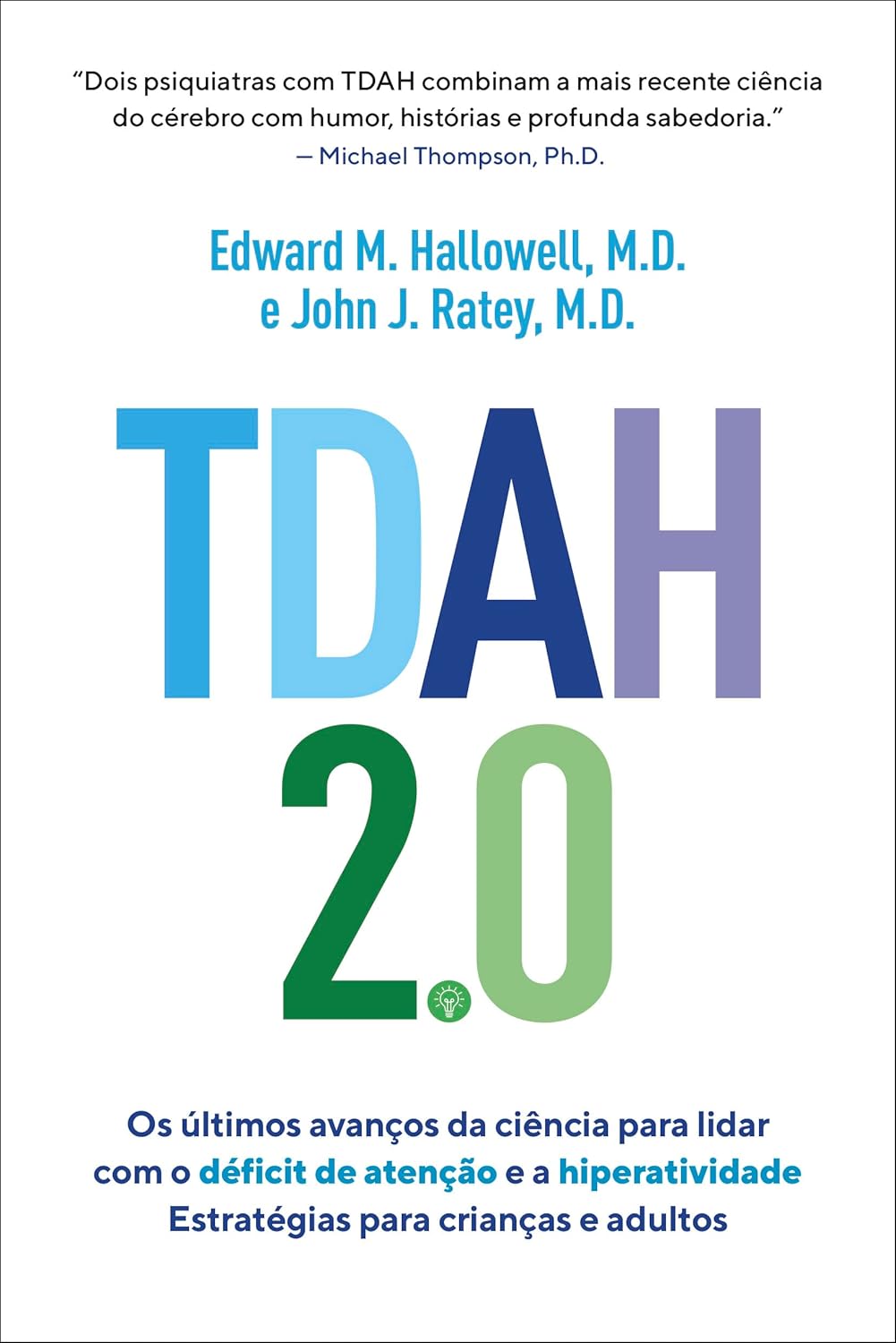
Want to learn more about the world of ADHD? Check out the book “ADHD 2.0” by acquiring it through the link below.
Learn More
Cover
Prepare-se para:
- Aceitar suas tendências únicas: Descubra como aproveitar os benefícios que o seu cérebro oferece, em vez de lutar contra ele!
- Encontrar o seu desafio ideal: Testes práticos para descobrir as atividades que te farão brilhar!
- Dominar a procrastinação: Descubra o poder do exercício físico e da meditação para turbinar seu foco e relaxamento.
- Fortalecer suas conexões: Aprenda como os laços afetivos podem aumentar sua autoestima e te ajudar a superar o estigma.
TDAH 2.0 é um guia inspirador e prático para minimizar os traços negativos e desbloquear o seu potencial máximo, em qualquer fase da vida.
Se o TDAH será uma vantagem ou uma maldição, a escolha é sua! 
Descubra como transformar o seu TDAH em superpoder com TDAH 2.0!

It was from this passion that TDAH.World was born – a space created to inform, support, and connect people with ADHD. My goal is to translate complex information into accessible content, without losing scientific depth, so that more people can better understand and deal with the challenges – and also the potential – of ADHD.
I believe that well-applied knowledge can transform lives, and that’s what motivates me to keep studying, writing, and sharing insights on neuroscience, mental health, and cognitive performance. If you’ve made it this far, I hope you find something here that makes sense to you!