
The Science of Control: Exploring Self-Regulation in the Brain
Unlock how science is using cutting-edge tech to decode self-control in the brain. adhd This article dives into an incredible dataset blending brain tasks, imaging, and surveys—revealing how our minds work when we try to manage impulses and emotions.
Self-Control: The Key to a Balanced Life
Have you ever stopped to think why it’s so hard to resist an impulse or stay focused on something important? Or wondered if you could “peek” inside someone’s brain and see how it works when they’re trying to manage impulses, sharpen their focus, or plan their next move? Well, that’s exactly what a team of scientists did!

A recent study by researchers at Stanford University, published in July 2024, took a deep dive into the mystery of self-regulation—the ability to steer our actions toward bigger goals. The findings could help us better understand conditions like ADHD. Want to check it out with me?
Read Also: Burnout and ADHD in Women: Understanding the Link and How to Protect Yourself
What Is Self-Regulation and Why Does It Matter?

Self-regulation is like the “brake” and “gas pedal” of your mind. It’s what keeps you from grabbing that chocolate bar (when you’re trying to lose weight) or pushes you to keep studying even when you’d rather play video games. Researchers say it involves a handful of key skills:
- Attention: Staying tuned in to what matters.
- Task-Switching: Moving from one task to another without losing track.
- Decision-Making: Picking between instant gratification or a better reward later.
- Impulse Control: Pausing before acting on a whim.
- Planning: Mapping out steps to reach a goal.
These skills are a big deal for life—from succeeding in school to staying healthy. For people with ADHD, though, they can feel like an extra challenge.
Brain Tasks: A Test of Self-Control

Known as cognitive tasks, these are like challenges or games that put different mental skills to the test—think paying attention, making decisions, or holding back an action at just the right moment. Each task was designed to “light up” specific brain areas, revealing how they kick into gear when we try to stay in control. They also tossed in questions about daily habits to see how people view themselves.
Read Also: Emotional Regulation in ADHD: Discover the Power of EFT
These tasks are like “workouts” for the brain, requiring participants to flex their self-control skills to perform well. Here’s what they tackled:
- Attention Network Test (ANT)
Tests three layers of attention: staying alert, directing focus, and ignoring distractions. Participants point out the direction of a central arrow while tuning out surrounding ones. - Cued Task Switching
Checks how well you switch gears. A cue tells participants to shift focus—like choosing between an object’s color or shape. - Columbia Card Task (CCTHot)
Measures risky decisions. Players decide how many cards to flip, balancing the chance of winning points against hitting a losing card. - Dot Pattern Expectancy (DPX)
Probes working memory and mental control. It’s about spotting sequences of dots (like “A” followed by “X”) and separating them from others. - Delay Discounting
Tests patience for rewards. Participants pick between a smaller prize now or a bigger one later, showing impulse control. - Simple Stop Signal
Assesses action restraint. Hit a button for a “go” signal, but freeze if a “stop” sound chimes in right after. - Motor Selective Stop Signal
A twist on the last one. Respond to “go” signals, stop only for key cues, and keep going for others—testing selective control. - Stroop
Gauges focus and restraint. Say the ink color of a word (like “red” written in blue), ignoring what the word spells out. - Towers Task (WATT)
Challenges planning skills. Based on the Tower of Hanoi, players move pieces logically to reach a set layout. - And One Extra: Survey Medley
A set of 40 questions answered in the scanner, exploring self-control, impulsivity, and future-thinking habits.
They built a massive dataset from over 100 people, blending:
- Cognitive Tasks: Games testing attention, memory, decisions, and planning.
- MRI Scans: Brain “snapshots” showing structure and how regions connect.
- Surveys: Questions about behavior, emotions, and self-regulation.
Read Also: How ADHD’s Neural Instability Impacts Cognitive Control
The goal? To figure out how the brain works when we wrestle with impulses and emotions—a process we call “self-control” or “self-regulation.” And, as you might guess, this ties right into ADHD (Attention Deficit Hyperactivity Disorder)!
The Study: A Treasure Trove for Science
Published in Scientific Data, this study is like a “treasure chest” for science. It gathers a huge pile of info on the brains and behaviors of people with and without ADHD—and the best part? It’s open for any researcher to explore!
Read Also: ADHD and Time Perception: How Brain Stimulation Could Help
This means scientists worldwide can dig into these findings to investigate self-control from all angles, like:
- Which brain areas matter most for self-control?
- How do those areas talk to each other?
- How does self-control evolve over time?
- What shapes it—genes, environment, or both?
- How does ADHD tweak self-control?
- What treatments work best to boost it in ADHD?
What the Data Reveals: Clues About ADHD Self-Control
While the study didn’t focus solely on ADHD, its data can help us explore how self-control plays out in people with the condition. Some hints we might find:
- Brain Activation Differences: fMRI scans could show which brain areas are more or less active during self-control tasks in people with ADHD compared to those without.
- Performance Gaps: Task results might reveal if ADHD folks struggle more, make more mistakes, or take longer to respond.
- Survey Insights: Answers could highlight behavior patterns, emotions, and self-control struggles tied to ADHD.
Read Also: Diabetes in Pregnancy and ADHD: What’s the Connection?
By piecing all this together, researchers can build a fuller picture of self-control in ADHD—spotting the toughest spots and the best strategies for each person.
An Open Invitation: Data for the Scientific Community
The coolest thing about this study? All that data is up for grabs. Any researcher can dive in, giving the scientific community a goldmine of brain and behavior insights to push knowledge about ADHD and beyond.
It’s a big deal because it lets scientists with different viewpoints and methods tackle the data and uncover new findings. Think of it like a global team assembling a giant puzzle, each adding their own piece.
Read Also: Is ADHD Genetic? A Deep Dive into the Science Behind the Disorder
What This Means for Real Life
Imagine studying for a test, but your brain’s itching to check your phone every five minutes. This study shows self-regulation is like a muscle—it takes multiple brain parts working together. For someone with ADHD, that team might not always be in sync. But figuring out how it works is the first step to better strategies—whether through practice, support, or even tech.
A Step Toward Understanding the Mind
I’ve heard friends with ADHD talk about how tough it is to “keep it together” sometimes. This study doesn’t have all the answers, but it’s a key piece of the puzzle. It proves self-regulation isn’t just willpower—it’s your brain doing some serious juggling. The more we learn about that juggling act, the better we can help those who need a little balance.
ADHD in the Mix

The study didn’t target ADHD folks, but its results hit close to home. That struggle to pause or wait—like in the Stop Signal or Stroop tasks—is self-regulation at work (or, in ADHD, not quite clicking). These tests echo findings from another study on kids with ADHD and brain instability. Maybe adult and kid ADHD brains share some “control signatures.”
Conclusion: Self-Control—A Challenge We Can Overcome
This self-control study shows science is making strides in understanding the human brain and the skills that let us manage impulses, emotions, and actions.
Even without an ADHD-only focus, it offers a rich dataset that could spark new discoveries about the disorder—helping pinpoint struggles and craft more effective, personalized treatments.
Here’s the thing: ADHD isn’t a sign of weakness or lack of effort—it’s a brain wiring difference. With the right support, people with ADHD can build their self-control skills and lead full, happy lives.
e.
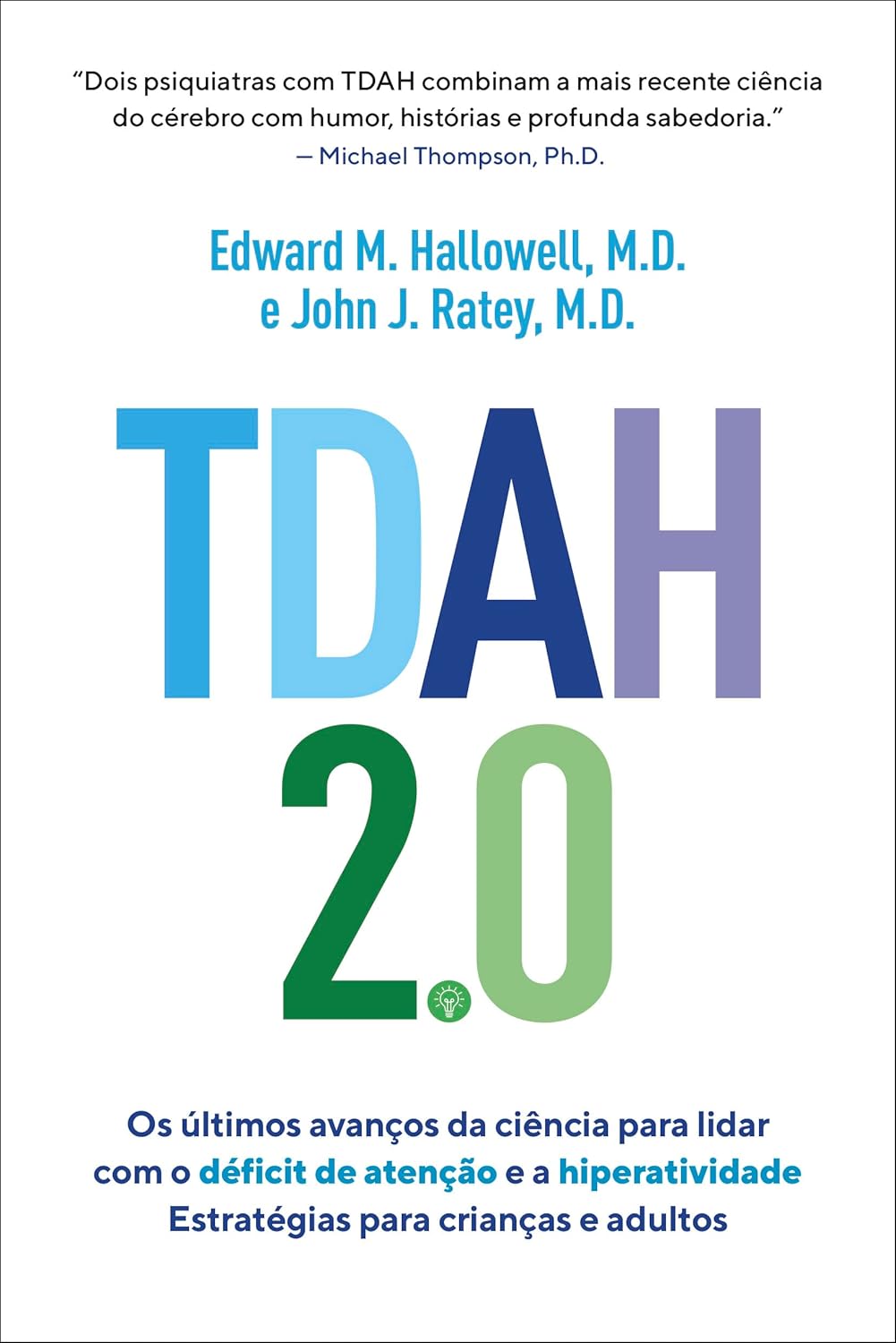
Want to know more about the world of ADHD, check out the book ADHD 2.0, get it at the link below.
Learn more
Cover
Get ready to:
- Embrace your unique tendencies: Learn how to take advantage of the benefits your brain offers, instead of fighting against it!
- Find your ideal challenge: Practical tests to discover activities that will help you shine!
- Master procrastination: Discover the power of physical exercise and meditation to boost your focus and relaxation.
- Strengthen your connections: Learn how emotional bonds can increase your self-esteem and help you overcome stigma.
TDAH 2.0 is an inspiring and practical guide to minimize negative traits and unlock your maximum potential at any stage of life.
Whether ADHD is an advantage or a curse, the choice is yours! ✨
Descubra como transformar o seu TDAH em superpoder com TDAH 2.0!
References
Learn more
Author: Patrick G. Bissett
Source: Scientific Reports
Original Research: Open Access
“Cognitive tasks, anatomical MRI, and functional MRI data evaluating the construct of self-regulation” Patrick G. Bissett et al. Scientific Reports
FAQ – Self-Control: The Key to a More Balanced Life


It was from this passion that TDAH.World was born – a space created to inform, support, and connect people with ADHD. My goal is to translate complex information into accessible content, without losing scientific depth, so that more people can better understand and deal with the challenges – and also the potential – of ADHD.
I believe that well-applied knowledge can transform lives, and that’s what motivates me to keep studying, writing, and sharing insights on neuroscience, mental health, and cognitive performance. If you’ve made it this far, I hope you find something here that makes sense to you!