
A Practical Guide for Women with ADHD
Do you often feel overwhelmed, exhausted, and like you're constantly running out of time? This practical guide provides simple and effective self-care strategies, specifically tailored for women with ADHD.
ADHD and Self-Care: Why It’s So Crucial for You (US English Optimized)
If you’re a woman with ADHD, you’ve likely felt like you’re on a constant rollercoaster. Inattention, hyperactivity (which in women is often more internal than external), and impulsivity can make daily life exhausting. The feeling of always being “on,” the difficulty organizing tasks, procrastination… all of this can lead to chronic stress and even burnout.
That’s why self-care is fundamental for women with ADHD. It’s not a luxury; it’s a necessity. Taking care of yourself isn’t selfish; it’s a way to ensure you have the energy, focus, and balance to manage the challenges of ADHD and build the life you want.
This practical guide will show you how small changes in your routine can have a significant impact on your well-being. Let’s do this together!
Read also: The Complete Guide to ADHD Treatment
Self-Care: A Practical Guide for Women with ADHD
Self-care is a set of practices and attitudes you adopt to take care of your physical, mental, and emotional health. For women with ADHD, self-care is even more important because it helps to:
- Reduce stress and anxiety: ADHD can increase stress and anxiety levels. Self-care helps calm the nervous system and promote relaxation.
- Improve focus and concentration: Taking care of yourself gives you more energy and mental clarity, making it easier to concentrate on important tasks.
- Increase self-esteem and self-confidence: When you take care of yourself, you feel stronger, more capable, and in control of your life.
- Prevent burnout: Self-care is a way to “recharge your batteries” and avoid physical and mental exhaustion.
- Build resilience: Self-care helps you cope better with daily challenges and recover more quickly from stressful situations.
Close up image of beautiful young woman with gray hair and nose ring meditating indoors, using breathing technique, doing pranayamas to prevent stress and level up energy, keeping eyes closed
Read also: ADHD and Time Perception: How Brain Stimulation Can Help
1. Connect with Your Body: The Foundation of Self-Care

The first step in self-care is learning to listen to your body and respect its needs. This can be challenging for women with ADHD, who are often “disconnected” from their own bodies, but it’s crucial.
Photo by Amel Uzunovic: https://www.pexels.com/pt-br/foto/placa-prato-modelo-ciencia-15410078/
Mindful Breathing:
- Breathing is a powerful tool to calm the nervous system.
- When you’re feeling agitated, anxious, or overwhelmed, stop and take a few deep breaths.
- Lengthen your exhale (breathing out) to activate the parasympathetic nervous system, which promotes relaxation.
- Experiment with breathing techniques like diaphragmatic breathing (belly breathing).
- Use breathing/guided meditation apps if that helps you.
Movement:
- Physical activity is essential for brain health and emotional well-being.
- Find an activity you enjoy (dancing, walking, yoga, swimming, etc.).
- It doesn’t have to be intense or time-consuming. Start with small steps (e.g., 10 minutes of walking per day).
- Use physical activity as a way to release energy, reduce stress, and improve your mood.
Nutrition:
- A healthy and balanced diet is essential to provide energy for your brain and body.
- Prioritize fresh, whole foods: fruits, vegetables, legumes, whole grains, lean proteins.
- Avoid excessive sugar, caffeine, and processed foods, which can worsen ADHD symptoms.
- Drink water! Hydration is essential for proper brain function.
- Don’t strive for perfection. Small changes make a difference.
Sleep:
- Quality sleep is crucial for brain recovery and emotional regulation.
- Try to establish a regular sleep routine with fixed times for going to bed and waking up.
- Create a sleep-conducive environment: a dark, quiet, and cool bedroom.
- Avoid screens (cell phone, tablet, TV) before bed. The blue light emitted by these devices can interfere with melatonin production, the sleep hormone.
- If you have trouble sleeping, try relaxation techniques like meditation or deep breathing.
Read also: Unstable Brain Activity May Explain Control Struggles in Children with ADHD
2. Take Care of Your Mind: Self-Compassion and Strategies

The ADHD mind can be a whirlwind of thoughts, worries, and emotions. Learning to manage this “internal chaos” is fundamental to self-care.
This is time only for me
Self-Compassion:
- Be kind to yourself. Don’t blame yourself for your difficulties. ADHD is a real condition, and you’re doing your best.
- Forgive yourself for your mistakes. We all make them. The important thing is to learn from them and move forward.
- Celebrate your achievements, no matter how small. Recognize your efforts and progress.
Identify Your Triggers:
- What makes you feel most stressed, anxious, or overwhelmed?
- What are your “weak points”?
- By identifying your triggers, you can start developing strategies to deal with them.
Set Boundaries:
- Learn to say “no” to tasks, commitments, and people that drain your energy.
- Don’t feel obligated to do everything alone. Ask for help when you need it.
- Protect your time and energy.
Simplify Your Life:
- Trying to stay organized will make you feel less overwhelmed.
Relaxation Techniques:
- Experiment with different relaxation techniques like meditation, mindfulness, yoga, or deep breathing.
- Find a technique that works for you and practice it regularly.
- Use guided apps or videos if that helps you.
Seek Support:
- Talk to friends, family, or a mental health professional. Share your difficulties and ask for support.
- Join support groups for people with ADHD. Sharing experiences with others who understand can be very helpful.
Read also: Who Are People with ADHD? Debunking Stereotypes and Celebrating Diversity
3. EFT (Tapping): A Practical Tool for Everyday Life

EFT (Emotional Freedom Techniques), or Tapping, is a simple technique you can use to relieve stress, anxiety, and emotional overwhelm in your daily life.
How to Do It:
- Identify the problem: Choose an emotion, thought, or sensation you want to work on (e.g., “I’m feeling very anxious”).
- Rate the intensity: Give this emotion/sensation a score from 0 to 10.
- Setup phrase: Tap on the “karate chop point” (side of your hand) and repeat a phrase like: “Even though I’m feeling [emotion/sensation], I deeply and completely accept myself” three times.
- Tapping sequence: Gently tap on other points of your body (see image below) while saying phrases about the problem and how you want to feel.
- Breathe: Take a deep breath between each point.
- Reassess: Give the emotion/sensation a new score from 0 to 10. Repeat if necessary.
Example Phrases:
- “All this anxiety…”
- “This urge to procrastinate…”
- “I feel overwhelmed…”
- “I choose to be calm.”
- “I am capable.”
- “I deserve to succeed.”
- “I allow myself to relax.”
- “I release this tension.”
- “I am strong.”
Adapt the phrases to your reality. The important thing is that they make sense to you.
Read also: 5 Myths and Truths about Burnout in Women with ADHD
4. Organization and Planning: Structuring Your World
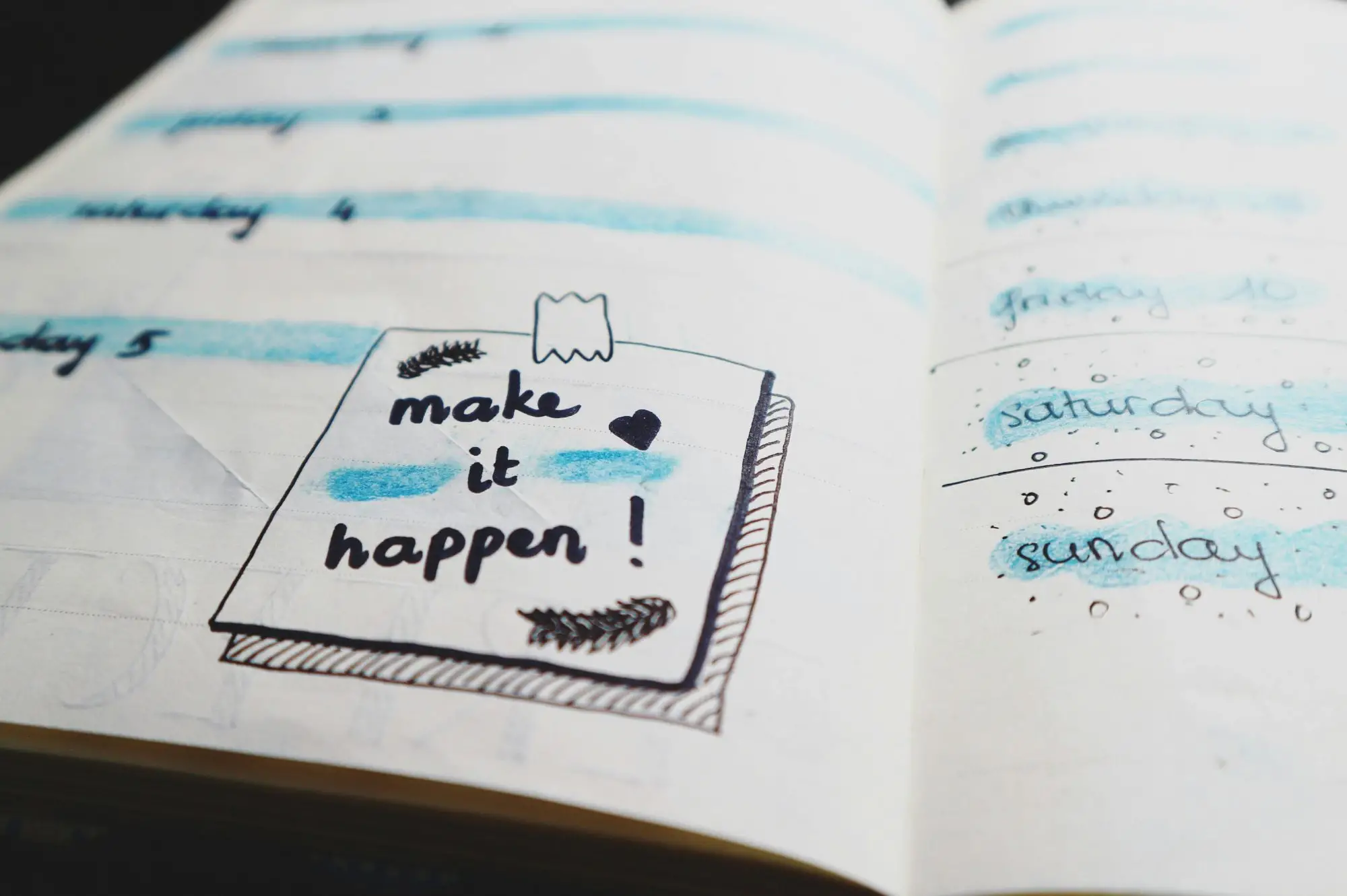
Disorganization is a common challenge with ADHD, but there are strategies that can help you:
- Use planners, calendars, and lists: Write everything down: tasks, appointments, deadlines, ideas. Use colors, stickers, whatever works for you.
- Break down tasks into smaller steps: Large tasks can be daunting. Divide them into smaller, more manageable parts.
- Establish priorities: Define what’s most important and focus on those tasks first.
- Create an organized environment: An organized and distraction-free workspace/study area can help you concentrate.
- Use technology to your advantage: There are apps and tools that can help you organize, plan, and remember tasks.
- Don’t be afraid to ask for help: If organization is a major challenge, seek out a professional (professional organizer, therapist) or a friend who can help you.
Read also: Can Breastfeeding Reduce the Risk of ADHD?
5. Celebrating Small Victories and Learning from Challenges

Remember: the ADHD journey is made of small steps. Don’t strive for perfection. Celebrate every achievement, no matter how small. And learn from challenges without blaming or judging yourself.
Self-care is a continuous process of learning, adaptation, and growth. Over time, you’ll discover which strategies work best for you and how to build a more balanced, healthy, and happy life.
Read the article: Decisions in ADHD Treatment: How to Involve the Whole Family
Conclusion: Self-Care, the Key to a Fulfilling Life with ADHD
Self-care isn’t an “extra”; it’s an essential part of managing ADHD. By taking care of yourself, you’re investing in your health, well-being, and your ability to cope with the challenges of the condition.
Start with small changes, experiment with different strategies, and find what works best for you. And remember: you deserve to take care of yourself and build a life that makes you happy!
Learn more
Cover
Here’s the English translation of the text, optimized for clarity and impact:
Get Ready To:
- Embrace Your Unique Wiring: Discover how to leverage the benefits your brain offers, instead of fighting against it!
- Find Your Ideal Challenge: Practical tests to uncover the activities where you’ll truly shine!
- Master Procrastination: Discover the power of physical exercise and meditation to boost your focus and relaxation.
- Strengthen Your Connections: Learn how strong relationships can increase your self-esteem and help you overcome stigma.
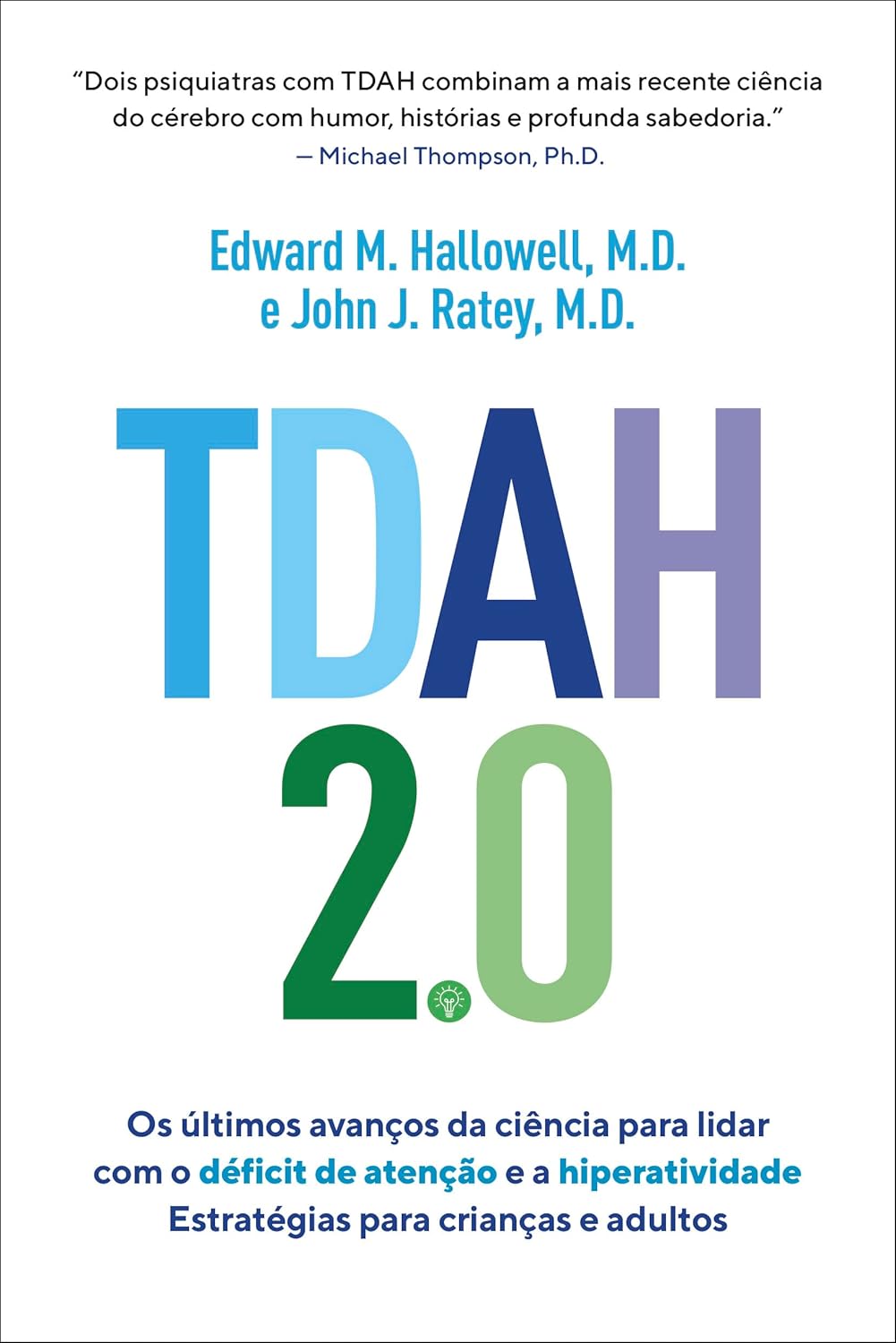
ADHD 2.0 is an inspiring and practical guide to minimize negative traits and unlock your maximum potential, at any stage of life.
Whether ADHD will be an advantage or a curse is your choice!
Discover how to transform your ADHD into a superpower with ADHD 2.0!
FAQ – Autocuidado para Mulheres com TDAH: Simplificando a Rotina

It was from this passion that TDAH.World was born – a space created to inform, support, and connect people with ADHD. My goal is to translate complex information into accessible content, without losing scientific depth, so that more people can better understand and deal with the challenges – and also the potential – of ADHD.
I believe that well-applied knowledge can transform lives, and that’s what motivates me to keep studying, writing, and sharing insights on neuroscience, mental health, and cognitive performance. If you’ve made it this far, I hope you find something here that makes sense to you!