
5 Myths and Truths about Burnout in Women with ADHD
Tired of hearing that burnout is 'all in your head' or that you're 'weak' for feeling exhausted? Debunk common myths about burnout and ADHD in women and learn how to protect yourself.
ADHD, Women, and Burnout: A Dangerous (and Very Common) Combination
If you’re a woman with ADHD (Attention Deficit Hyperactivity Disorder), you’ve probably heard phrases like:
- “You just need to try harder.”
- “You just need to be more organized.”
- “You’re too sensitive.”
- “It’s all in your head.”
- “You’re exaggerating.”
- “You’re making these problems up.”
These phrases, often said by people who don’t understand ADHD, can be extremely hurtful and damaging – they cut deep. They reinforce the idea that ADHD is a character flaw, a lack of willpower, or an excuse for laziness. And when it comes to burnout (physical and mental exhaustion), this misinformation can be even more dangerous.
Read more: How the Neural Instability of ADHD Affects Cognitive Control

Burnout is a real condition affecting millions worldwide. And women with ADHD are especially vulnerable to it. But why? And, more importantly, what can we do about it?
In this article, we’ll debunk common beliefs about burnout and ADHD in women, offering clear, evidence-based information and strategies for you to protect yourself and build a more balanced and healthy life.
Myth 1: “Burnout is Just Being Dramatic, Laziness, or Lack of Willpower”
Truth: Burnout is NOT being dramatic, laziness, or a lack of willpower! It’s a real condition, recognized by the World Health Organization (WHO), resulting from chronic workplace stress (or stress in other areas of life) that has not been successfully managed.
Read more: Decisions in ADHD Treatment: How to Involve the Whole Family

Burnout is characterized by three main dimensions:
- Emotional exhaustion: Feeling drained, “running on empty,” lacking the strength to cope with daily demands.
- Depersonalization: Feelings of cynicism, indifference, and detachment from work, people, and oneself.
- Reduced personal accomplishment: Feeling incompetent, lacking purpose, and believing your work has no value.
Read more: ADHD and Time Perception: How Brain Stimulation Can Help
For women with ADHD, the risk of burnout is even higher. Why?
- Difficulty with organization and planning: ADHD makes it harder to organize tasks, meet deadlines, and manage routines.
- Impulsivity: Impulsivity can lead to rash decisions, overcommitment, and difficulty saying “no.”
- Hyperfocus: Hyperfocus can lead a person to dedicate themselves excessively to one task, neglecting other areas of life (like rest, nutrition, leisure).
- Rejection sensitivity: Many women with ADHD are more sensitive to rejection and criticism, which can increase stress and anxiety.
- The double burden: Many women with ADHD juggle work responsibilities with household chores and childcare, leading to even greater overload.
- Stigma and prejudice: Lack of understanding and prejudice regarding ADHD can lead to judgment and criticism, increasing stress and feelings of inadequacy.
Burnout isn’t a choice; it’s a consequence of a chronic imbalance between life’s demands and the ability to cope with them. And for women with ADHD, this imbalance can be even greater.
Read more: Unstable Brain Activity May Explain Control Struggles in Children with ADHD
Myth 2: “Women with ADHD Are Weaker or Overly Sensitive”
Truth: Women with ADHD are not weaker or overly sensitive. They simply have brains that function differently, which makes them more vulnerable to stress and burnout.

ADHD is a neurodevelopmental disorder, meaning the brains of people with ADHD develop differently. This difference affects how the brain processes information, regulates emotions, and controls impulses.
It’s like the ADHD brain is a car with a powerful engine but less reliable brakes and steering. This doesn’t mean the car is weak or defective. It just means it needs more care and specific strategies to be driven safely.
Read more: Who Are People with ADHD? Debunking Stereotypes and Celebrating Diversity
Furthermore, women with ADHD often face additional challenges, such as:
- Underdiagnosis: Many women with ADHD aren’t diagnosed in childhood because their symptoms can be more subtle and less “visible” than those in men.
- The double burden: Juggling work, home, and family responsibilities can lead to significant overload.
- Social pressure: Women are often expected to be “perfect” in everything they do, which can increase pressure, anxiety, and the risk of burnout.
- Stigma: ADHD is still surrounded by stigma and prejudice, which can lead women to feel ashamed, guilty, and misunderstood.
Therefore, it’s not that women with ADHD are weaker or more sensitive. It’s that they face more challenges and need more support to cope with them.
Read more: Who Are People with ADHD? Debunking Stereotypes and Celebrating Diversity
Myth 3: “It’s Impossible to Avoid Burnout if You Have ADHD”
Truth: It is possible to avoid burnout, even with ADHD! The secret lies in knowing your limits, respecting your needs, and implementing self-care strategies that work for you.

Burnout is not an “inevitable destiny” for those with ADHD. It’s a condition that can be prevented and treated. With the right strategies, you can build a more balanced, healthy, and happy life, despite the challenges of ADHD.
Some important strategies include:
- Setting boundaries: Learn to say “no” to tasks, commitments, and people that drain your energy. Don’t feel obligated to do everything yourself. Ask for help when you need it.
- Prioritizing sleep: Sleep is crucial for brain health and emotional regulation. Aim for at least 7-8 hours of sleep per night.
- Eating healthily: A balanced, nutrient-rich diet is essential to fuel your brain and body. Avoid excess sugar, caffeine, and processed foods.
- Exercising regularly: Physical activity releases endorphins, which improve mood, reduce stress, and increase energy.
- Finding time to relax: Set aside time for activities you enjoy and find relaxing, like reading, listening to music, meditating, spending time with friends and family, or simply doing nothing.
- Seeking professional support: A psychologist or therapist specializing in ADHD can help you develop skills to manage the disorder’s challenges and build a more balanced life.
- Getting organized: Although challenging, organization—from planning tasks to setting reminders—can make a significant difference in your life.
Read more: Genetics and ADHD: A New Hope for Families
Myth 4: “ADHD Medication Solves Burnout”
Truth: Medication can help manage ADHD symptoms (inattention, hyperactivity, impulsivity), which can reduce stress and overload. But medication is not a “magic pill” that solves all problems.

Burnout is a complex condition involving multiple factors, such as:
- Work overload: Too many tasks, responsibilities, and tight deadlines.
- Lack of control: Feeling like you have no control over your work or life.
- Lack of recognition: Feeling that your work isn’t valued or acknowledged.
- Lack of social support: Isolation, lack of friends, or a support network.
- Value conflicts: Feeling that your work doesn’t align with your values and purpose.
- Lack of self-care: Not having time to take care of yourself, rest, relax, and do things you enjoy.
Read more: ADHD and the Art of Thinking Fast and Slow
Medication can help manage ADHD symptoms, but it doesn’t solve all these underlying issues. Preventing and treating burnout requires a broader approach, including:
- Lifestyle changes: Adopting healthy habits like a balanced diet, quality sleep, regular exercise, and relaxation techniques.
- Time management and organization: Learning to plan, organize, and prioritize tasks to avoid overload and procrastination.
- Setting boundaries: Learning to say “no” and delegate tasks to protect your time and energy.
- Seeking social support: Building a support network with friends, family, and colleagues.
- Psychotherapy: Therapy can help you cope with stress, anxiety, depression, and other emotional issues contributing to burnout.
- Workplace changes: If possible, seeking a job that aligns better with your values, offers more autonomy, and provides a healthier, more supportive environment.
Read more: A Divided Mind? Understanding What’s Happening in Your Brain
Myth 5: “Therapy is the Only Solution for Burnout”
Truth: Therapy can be a very useful tool for dealing with burnout, but it’s not the only solution. The treatment for burnout, like the treatment for ADHD, should be multidisciplinary and personalized.

Therapy can help you:
- Understand the causes of your burnout: Identify the factors contributing to your exhaustion.
- Develop coping strategies: Learn to manage stress, anxiety, frustration, and other negative emotions.
- Change thinking patterns: Identify and modify limiting beliefs and negative thoughts that may contribute to burnout.
- Strengthen self-esteem: Develop a more positive view of yourself and your abilities.
- Build healthy relationships: Learn to communicate more effectively, set boundaries, and build more satisfying relationships.
Read more: Diabetes in Pregnancy and ADHD: What is the Relationship?
However, therapy isn’t the only solution for burnout. It’s important to combine therapy with other approaches, such as:
- Medication: In some cases, medication may be necessary to manage symptoms of ADHD or other conditions contributing to burnout (like anxiety and depression).
- Lifestyle changes: Adopting healthy habits like balanced nutrition, quality sleep, regular exercise, and relaxation techniques.
- Social support: Building a support network with friends, family, and colleagues.
- Workplace changes: If possible, seeking a job that aligns better with your values, offers more autonomy, and provides a healthier, more supportive environment.
Treating burnout is a process that requires time, dedication, and persistence. There’s no magic formula, but with the right approach, you can regain your energy, rebuild your life, and find a new balance.
Read more:
Conclusion: Self-Knowledge, Acceptance, and Action: The Path to Recovery
Burnout in women with ADHD is a complex reality, but it’s not an inevitable destiny. By debunking common beliefs about ADHD and burnout, we can build a path of understanding, acceptance, and action.
Remember: you are not weak, lazy, or incapable. You have ADHD, a disorder that brings challenges but can also bring unique qualities like creativity, energy, and passion.
Learn to recognize the warning signs of burnout, respect your limits, seek professional help, and implement self-care strategies that work for you. With information, support, and the right tools, you can build a more balanced, healthy, and happy life, despite ADHD..
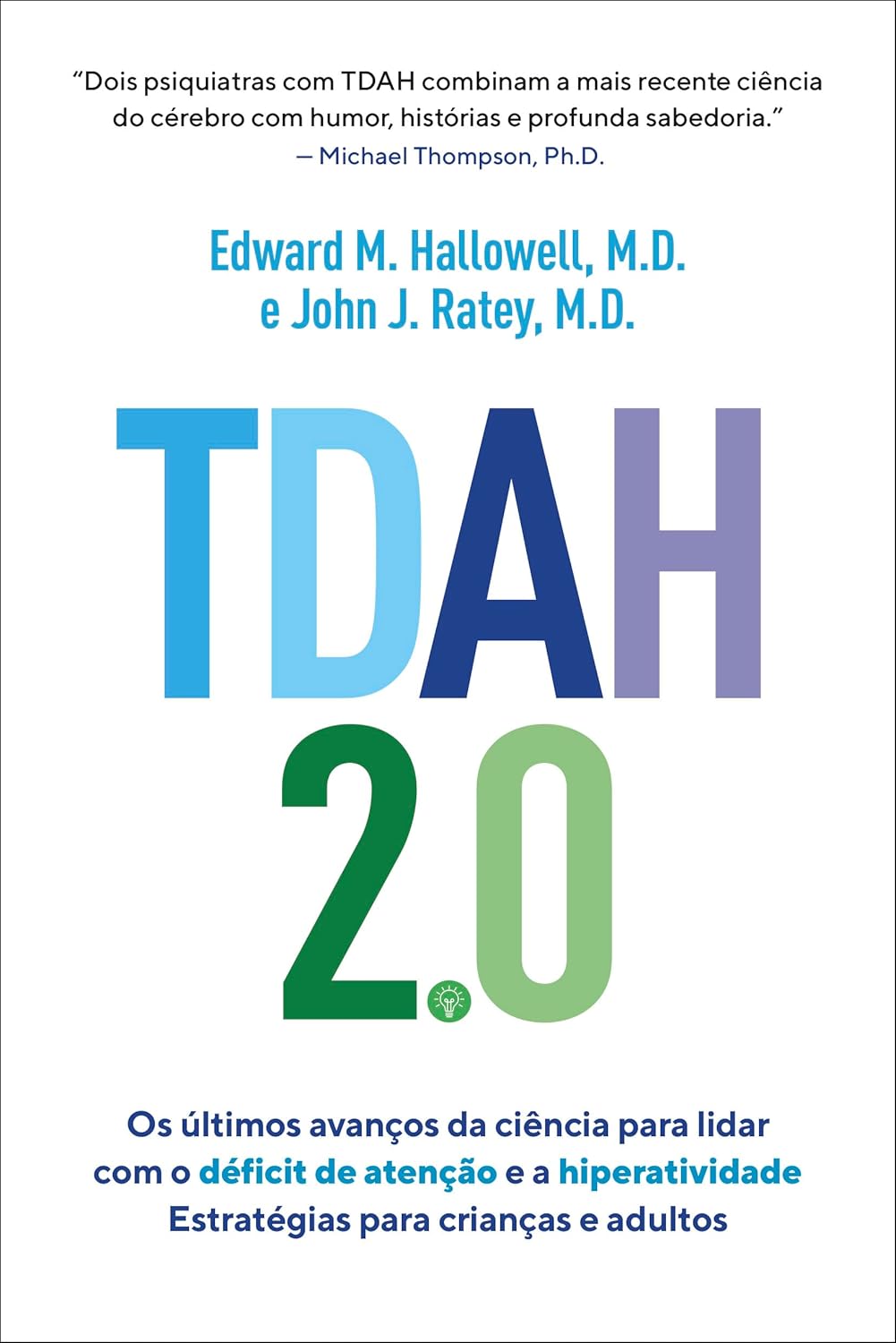
Quer conhecer mais sobre o mundo do TDAH, conheça o livro TDAH 2.0 adquira no link abaixo.
Learn more
Cover
Get ready to:
- Embrace your unique tendencies: Learn how to take advantage of the benefits your brain offers, instead of fighting against it!
- Find your ideal challenge: Practical tests to discover activities that will help you shine!
- Master procrastination: Discover the power of physical exercise and meditation to boost your focus and relaxation.
- Strengthen your connections: Learn how emotional bonds can increase your self-esteem and help you overcome stigma.
TDAH 2.0 is an inspiring and practical guide to minimize negative traits and unlock your maximum potential at any stage of life.
Whether ADHD is an advantage or a curse, the choice is yours! ✨
Find out how to turn your ADHD into a superpower with ADHD 2.0!
FAQ: Burnout in Women with ADHD


It was from this passion that TDAH.World was born – a space created to inform, support, and connect people with ADHD. My goal is to translate complex information into accessible content, without losing scientific depth, so that more people can better understand and deal with the challenges – and also the potential – of ADHD.
I believe that well-applied knowledge can transform lives, and that’s what motivates me to keep studying, writing, and sharing insights on neuroscience, mental health, and cognitive performance. If you’ve made it this far, I hope you find something here that makes sense to you!