
Education in the U.S.: A Step Back in ADHD Support?
Unlock how science is using cutting-edge tech to decode self-control in the brain. This article dives into an incredible dataset blending brain tasks, imaging, and surveys—revealing how our minds work when we try to manage impulses and emotions.
ADHD, School Accommodations, and the Law: A History of Struggles and Progress

In the United States, the education of children and adolescents with ADHD (Attention-Deficit/Hyperactivity Disorder) is protected by two main laws:
- Individuals with Disabilities Education Act (IDEA): This law guarantees special education and related services for children with disabilities who qualify under specific categories, including “Other Health Impairment” (OHI), which can include ADHD if it significantly impacts educational performance. IDEA requires an Individualized Education Program (IEP).
- Section 504 of the Rehabilitation Act of 1973: This broader civil rights law prohibits disability-based discrimination in any program or activity receiving federal funding, including all public schools. Section 504 requires schools to provide “reasonable accommodations” for students with disabilities, even if they do not qualify for special education under IDEA.
ADHD can qualify as a disability under Section 504, even if a child does not need special education. This means schools must provide accommodations to support students’ success, even without an IEP.
Read Also: Decisions in ADHD Treatment: How to Involve the Whole Family
The 2016 Guide: A Milestone in Defending the Rights of Students with ADHD

In 2016, under the Obama administration, the U.S. Department of Education published a Dear Colleague Letter and a resource guide on ADHD and Section 504. This guide was not a new law but an important clarification on how Section 504 applies to ADHD.
The 2016 guide:
✅ Reinforced that ADHD can be a disability under Section 504, even if a child does not require special education.
✅ Clarified that schools must assess each student with ADHD and provide individualized accommodations.
✅ Provided examples of reasonable accommodations, such as:
- Extra time on tests and assignments.
- Clear and repeated instructions.
- A distraction-reduced learning environment.
- Reward systems and positive feedback.
- Adjustments to the curriculum and assessments.
✅ Warned that schools cannot refuse to evaluate a student suspected of having ADHD or deny accommodations simply because they do not qualify for special education under IDEA.
This guide was a milestone in protecting the rights of students with ADHD, making it clear that schools have a legal obligation to provide accommodations, regardless of an IDEA diagnosis.
Read Also: The Complete Guide to ADHD Treatment
The Removal of the Guide: A Step Backward and a Wave of Concern

In 2021, under the Trump administration, the 2016 guide was rescinded. The official justification was that it was “outdated, unnecessary, or ineffective.” This decision raised serious concerns among disability rights advocates, ADHD organizations, and families.
What changes in practice with the guide’s removal?
- The law remains unchanged: Section 504 is still in effect. Schools are still required to provide accommodations for students with ADHD who qualify as having a disability.
- Less clarity: Removing the guide eliminates a document that clarified schools’ obligations, which may lead to confusion and make accessing accommodations more difficult.
- Increased vulnerability: Without the guide, parents may struggle more when negotiating with schools and advocating for their child’s rights. Schools may feel less pressure to provide accommodations.
Read Also: ADHD and Time Perception: How Brain Stimulation Can Help
The Consequences of the Removal: A Landscape of Uncertainty and Inequality

The removal of the 2016 guide could negatively impact students with ADHD in several ways:
- Reduced access to accommodations: Schools may become less willing to provide accommodations, arguing they are not explicitly required.
- Increased academic struggles: Without appropriate support, students with ADHD may have more difficulty focusing, organizing tasks, and keeping up with lessons.
- Greater stigma and discrimination: The removal of the guide may reinforce negative stereotypes about ADHD, making students feel “less capable” or “less deserving” of support.
- Widening inequality: Students from lower-income families may be hit hardest, as they may struggle more to advocate for their rights and obtain necessary accommodations.
- Mental health impact: Lack of support and understanding can lead to low self-esteem, anxiety, depression, and other mental health challenges.
Read Also: Unstable Brain Activity May Explain Control Struggles in Children with ADHD
What Can Be Done? Advocating for Students with ADHD

Despite the removal of the guide, it is crucial for parents, educators, and healthcare professionals to continue advocating for students with ADHD:
- Know the law: Section 504 still protects students with ADHD. Educate yourself about your child’s rights and the school’s obligations.
- Document everything: Gather medical reports, school records, neuropsychological evaluations, and other documents that support your child’s ADHD diagnosis and needs.
- Communicate with the school: Work with teachers, school counselors, and administrators to explain your child’s needs and request appropriate accommodations.
- Be persistent: If the school denies accommodations, keep advocating, present documentation, and seek legal support if necessary.
- Seek support: ADHD advocacy organizations can offer guidance and resources to help you navigate these challenges.
- Build your child’s confidence: Remind them of their strengths, encourage their talents, and help them develop a positive self-image. ADHD does not define them.
The Fight Continues: Pushing for Fairer and More Inclusive Policies

The removal of the 2016 guide was a setback, but the fight for the rights of students with ADHD is far from over. As a society, we must:
- Push for government action: Demand that the U.S. government reinstate the guide or create a new resource with clear guidelines on ADHD and Section 504.
- Raise awareness: Educate the public about ADHD—its symptoms, challenges, and impacts—to combat stigma and discrimination.
- Ensure access to quality education: Advocate for policies that guarantee every child and adolescent access to a fair, inclusive, and supportive education.
- Strengthen support networks: Build a strong community of parents, educators, healthcare professionals, and advocates to ensure that individuals with ADHD feel understood, empowered, and capable of reaching their full potential.
Read Also: How the Neural Instability of ADHD Affects Cognitive Control
Conclusion: A Future with More Understanding, Inclusion, and Opportunity

The removal of the 2016 ADHD and Section 504 guide in the U.S. is a wake-up call, but it is not the end of the fight. We must continue advocating for students with ADHD, demanding fair and inclusive policies, and working toward a society that values diversity and provides opportunities for all.
ADHD is not an insurmountable barrier—it is a challenge that can be managed with the right knowledge, support, and strategies. Together, we can build a future with more understanding, inclusion, and opportunities for individuals with ADHD.
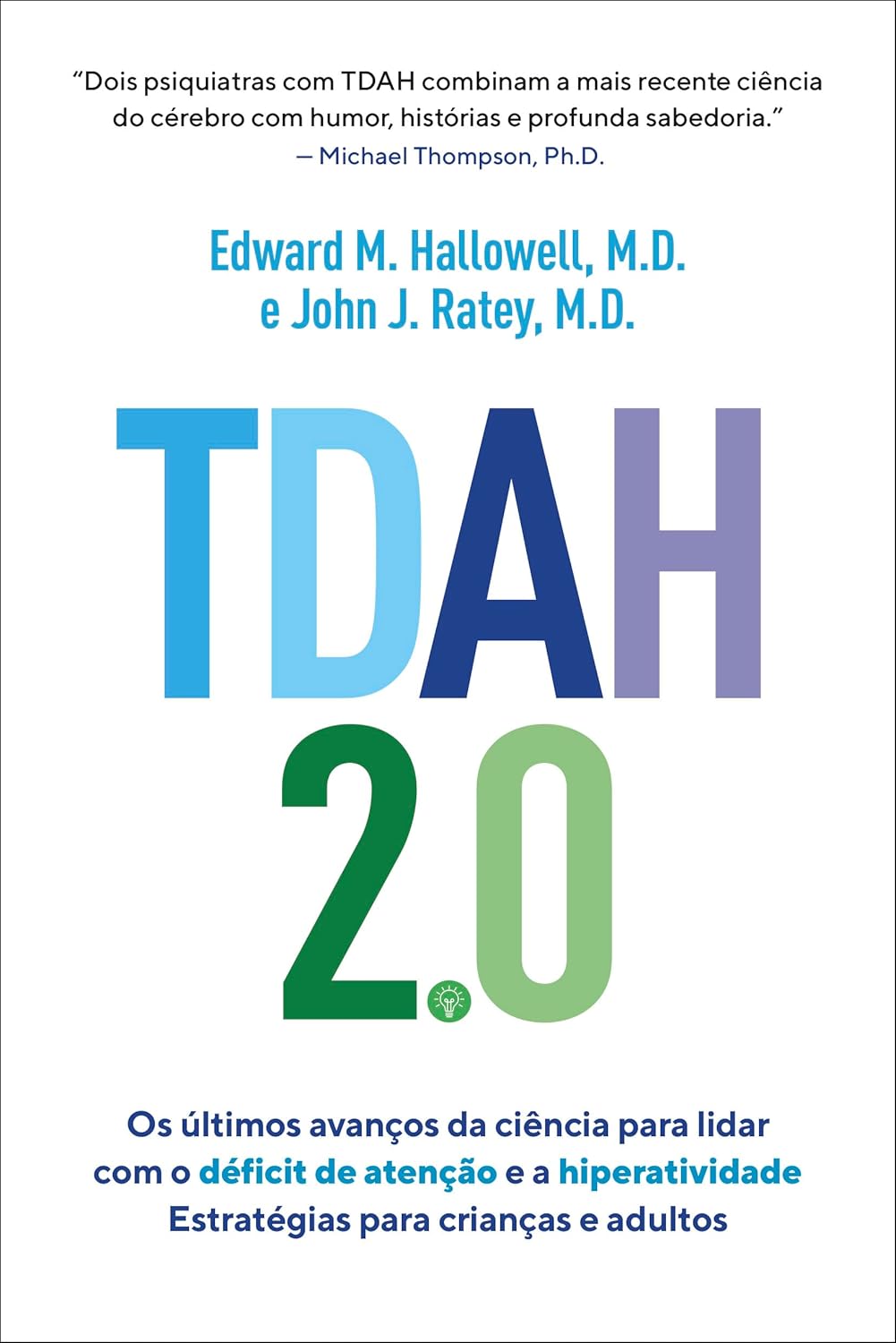
Want to know more about the world of ADHD, check out the book ADHD 2.0, get it at the link below.
Learn more
Cover
Get ready to:
- Embrace your unique tendencies: Learn how to take advantage of the benefits your brain offers, instead of fighting against it!
- Find your ideal challenge: Practical tests to discover activities that will help you shine!
- Master procrastination: Discover the power of physical exercise and meditation to boost your focus and relaxation.
- Strengthen your connections: Learn how emotional bonds can increase your self-esteem and help you overcome stigma.
TDAH 2.0 is an inspiring and practical guide to minimize negative traits and unlock your maximum potential at any stage of life.
Whether ADHD is an advantage or a curse, the choice is yours! ✨
Find out how to turn your ADHD into a superpower with ADHD 2.0!
FAQ – ADHD, Section 504, and Student Rights in the U.S.

It was from this passion that TDAH.World was born – a space created to inform, support, and connect people with ADHD. My goal is to translate complex information into accessible content, without losing scientific depth, so that more people can better understand and deal with the challenges – and also the potential – of ADHD.
I believe that well-applied knowledge can transform lives, and that’s what motivates me to keep studying, writing, and sharing insights on neuroscience, mental health, and cognitive performance. If you’ve made it this far, I hope you find something here that makes sense to you!