
Genetics and ADHD: A New Hope for Families
Discover how trio exome sequencing, a cutting-edge genetic test, is revolutionizing the diagnosis of ADHD and other neurodevelopmental disorders, providing answers and hope for families.
ADHD and Other Neurodevelopmental Disorders: The Search for Answers
When a child shows developmental delays, learning difficulties, behavioral issues, or other signs suggesting a neurodevelopmental disorder (NDD) such as ADHD (Attention Deficit Hyperactivity Disorder), autism, or intellectual disability, parents and healthcare professionals embark on a journey to find answers.

This journey often involves a series of evaluations, tests, and consultations with various specialists to pinpoint the cause of these challenges. In many cases, the root may be genetic—tied to changes in the child’s genes.
A recent scientific study published in JAMA Network Open explored the value of an advanced genetic test called trio-exome sequencing in uncovering the genetic causes of NDDs in children. The findings of this study are highly significant and could enhance the diagnosis and treatment of these conditions.
Read also: How the Neural Instability of ADHD Affects Cognitive Control
What Is Trio-Exome Sequencing?

Trio-exome sequencing is a cutting-edge genetic test that examines the most critical part of our DNA, known as the exome. The exome is like a “recipe book” for our body, containing the instructions to produce proteins—the “tools” that keep us functioning.
It’s called “trio” sequencing because it analyzes the exomes of three individuals:
- The child suspected of having an NDD.
- The biological father.
- The biological mother.
By comparing the child’s exome with those of their parents, scientists can identify genetic changes that might be linked to the disorder. These changes could include:
- Mutations: Small alterations in a single “letter” of DNA (like typos in a word).
- Copy Number Variations (CNVs): Sections of DNA that are missing or duplicated.
- Uniparental Disomy (UPD): When a child inherits both copies of a chromosome from one parent instead of one from each.
Read also: Decisions in ADHD Treatment: How to Involve the Whole Family
The Study: A Deep Dive into Over 1,000 Children

The study involved 1,106 children with suspected NDDs who visited a hospital in China. These children had already undergone other assessments and tests but lacked a definitive diagnosis. Researchers collected blood samples from the children and their parents and performed trio-exome sequencing.
They also gathered detailed data on the children’s clinical features, medical histories, family backgrounds, and results from prior tests.
Read also: ADHD and Time Perception: How Brain Stimulation Can Help
The Results: A High Rate of Genetic Diagnoses
The study’s findings were striking:
- Genetic diagnosis in nearly half the cases: Trio-exome sequencing identified a genetic cause for the NDD in 46.1% of the children (510 out of 1,106).
- Variety of genetic changes: A total of 580 different genetic alterations were found, including mutations, CNVs, and UPDs.
- Many “de novo” changes: Most of the genetic alterations were de novo, meaning they weren’t inherited from the parents but occurred spontaneously in the child.
- Small CNVs detected: Trio-exome sequencing identified small CNVs (missing or duplicated DNA segments) that traditional genetic tests like karyotyping or microarray might miss.
- Rare and recessive conditions: The study provided diagnoses for rare and recessive genetic disorders.
Read also: Unstable Brain Activity May Explain Control Struggles in Children with ADHD
These results highlight trio-exome sequencing as a powerful tool for identifying the genetic causes of NDDs, offering precise diagnoses to many families who previously had no answers.
What Does This Mean? Precise Diagnosis and Personalized Treatment
A genetic diagnosis can bring numerous benefits to children with NDDs and their families:
- Ending the diagnostic odyssey: Many families endure a long, stressful search for a diagnosis. Trio-exome sequencing can shorten this journey, delivering faster, more accurate answers.
- Personalized treatment: Identifying the genetic cause of an NDD allows doctors to tailor treatments to the child’s specific needs.
- Genetic counseling: A genetic diagnosis helps families understand the risk of the disorder recurring in future children and make informed family planning decisions.
- Access to resources and support: A clear diagnosis can unlock access to targeted support services, therapies, and educational interventions.
- Research opportunities: A genetic diagnosis may enable the child to participate in studies aimed at developing new treatments and cures.
Read also: ADHD and the Art of Thinking Fast and Slow
The Future of Genetics in ADHD and Other Disorders
The study we’ve explored shows how genetics is revolutionizing our understanding and management of ADHD and other neurodevelopmental disorders.
Trio-exome sequencing is a game-changing tool that can pinpoint the genetic roots of these conditions, providing accurate diagnoses for many families and paving the way for more personalized, effective treatments.
Looking ahead, we hope genetics will continue to advance, making precise diagnoses and effective treatments accessible to more people, leading to fuller, happier lives.
Read also: Genetics and ADHD: A New Hope for Families
Conclusion: Genetics as a Light at the End of the Tunnel
Research into the genetics of ADHD and other neurodevelopmental disorders demonstrates that science is making strides in understanding these conditions and finding solutions to improve the lives of those affected.
Trio-exome sequencing stands out as a powerful tool that can unlock the mysteries of genetics, offering a future filled with greater knowledge, hope, and opportunities for all.
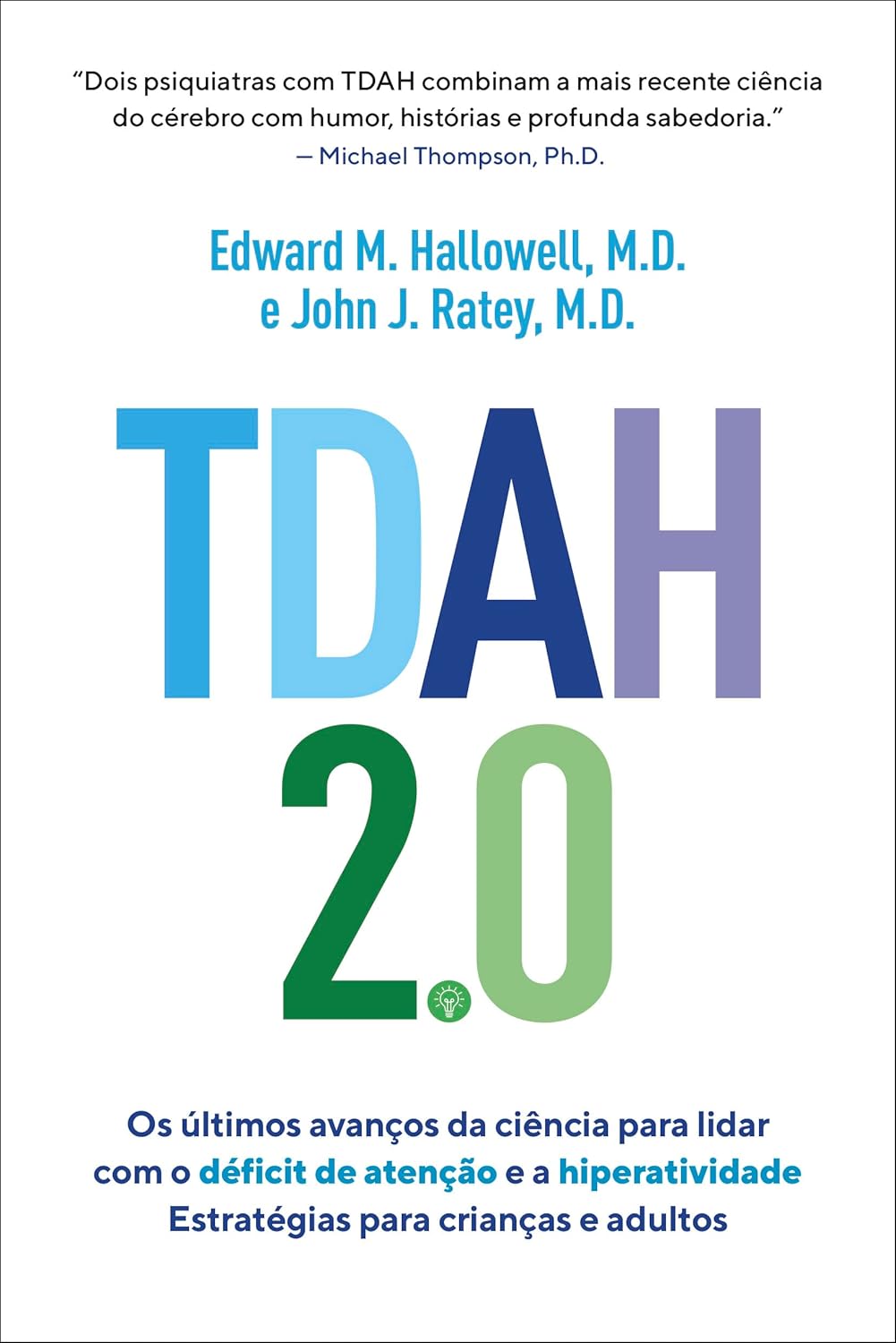
Learn more
Cover
Get ready to:
- Embrace your unique tendencies: Learn how to take advantage of the benefits your brain offers, instead of fighting against it!
- Find your ideal challenge: Practical tests to discover activities that will help you shine!
- Master procrastination: Discover the power of physical exercise and meditation to boost your focus and relaxation.
- Strengthen your connections: Learn how emotional bonds can increase your self-esteem and help you overcome stigma.
TDAH 2.0 is an inspiring and practical guide to minimize negative traits and unlock your maximum potential at any stage of life.
Whether ADHD is an advantage or a curse, the choice is yours! ✨
Find out how to turn your ADHD into a superpower with ADHD 2.0!
FAQ: ADHD and Other Neurodevelopmental Disorders

It was from this passion that TDAH.World was born – a space created to inform, support, and connect people with ADHD. My goal is to translate complex information into accessible content, without losing scientific depth, so that more people can better understand and deal with the challenges – and also the potential – of ADHD.
I believe that well-applied knowledge can transform lives, and that’s what motivates me to keep studying, writing, and sharing insights on neuroscience, mental health, and cognitive performance. If you’ve made it this far, I hope you find something here that makes sense to you!